
TECHNOLOGY
STUDENTS DEVELOP AI AND CYBERSECURITY SOLUTIONS AT INAUGURAL YOUTH TECH EVENT
14 Jun 2019
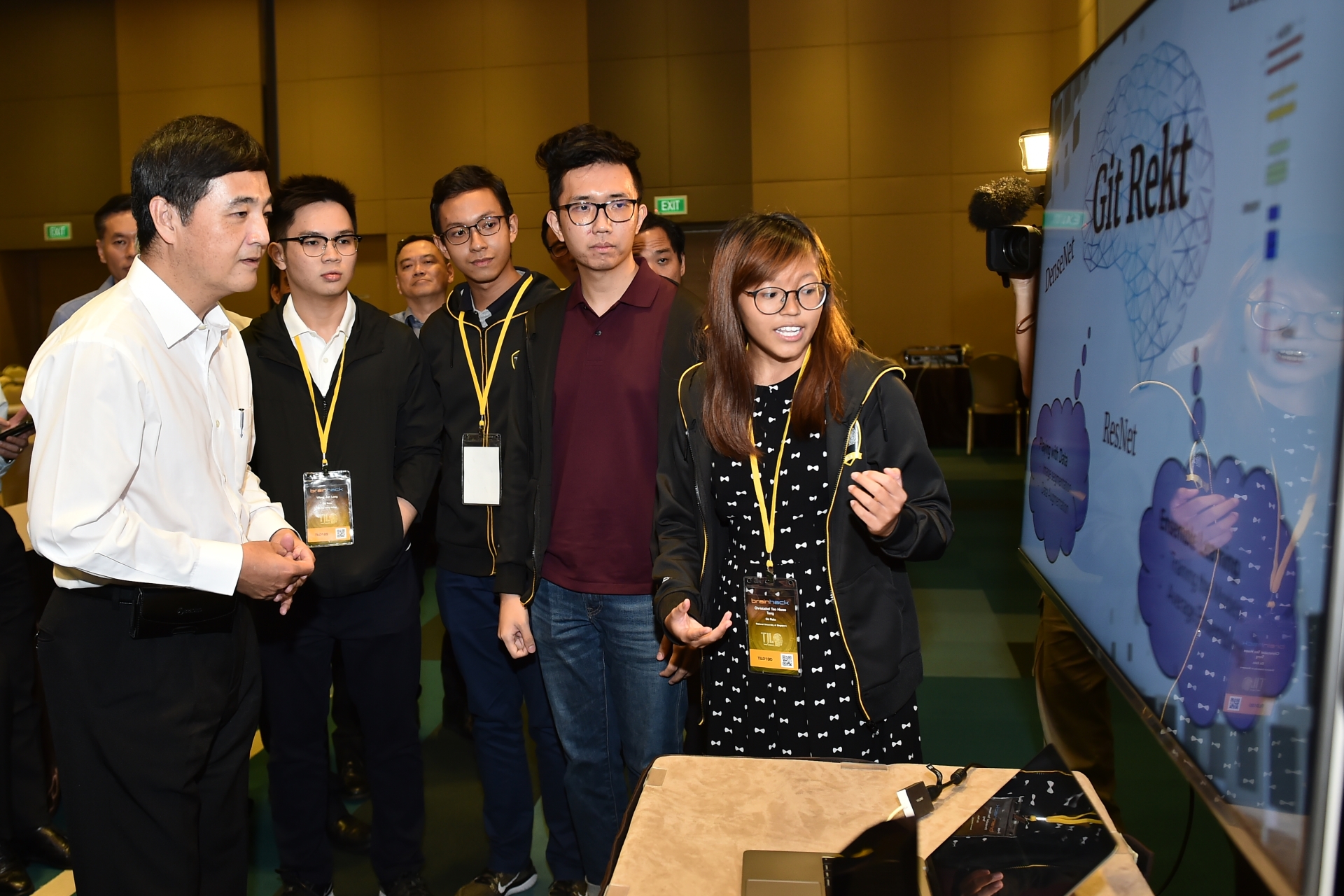
Only one out of four members in the team had deep knowledge of Artificial Intelligence (AI), but that did not stop them from developing an AI model that can accurately recognise and classify human gestures and poses in images.
Only one out of four members in the team had deep knowledge of Artificial Intelligence (AI), but that did not stop them from developing an AI model that can accurately recognise and classify human gestures and poses in images.
The quartet from National University of Singapore (NUS) and Nanyang Technological University (NTU) was one of the winning teams at the inaugural BrainHack organised by the Defence Science and Technology Agency (DSTA) from 13 to 14 Jun.
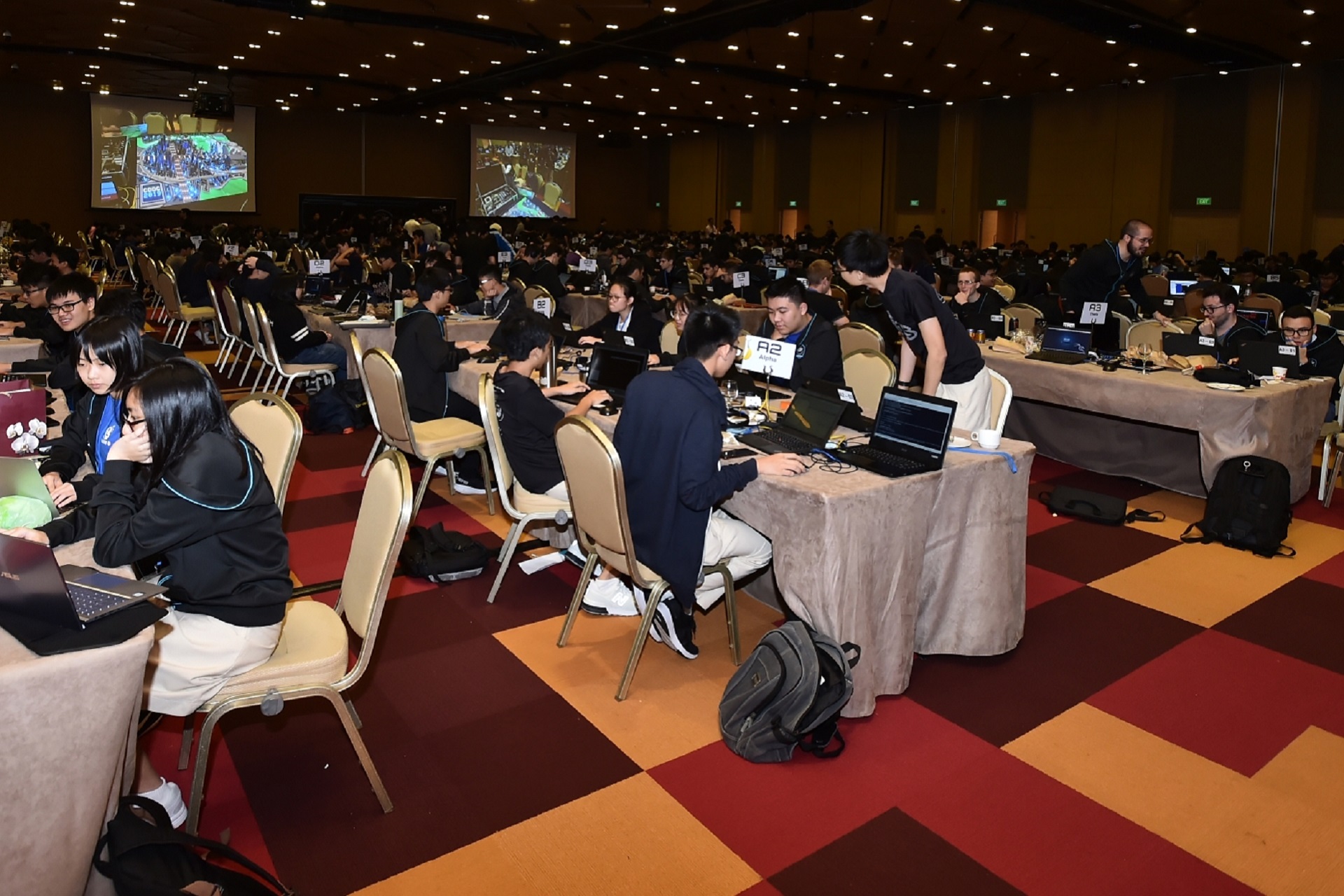
More than 1,500 students from 30 schools (from secondary schools to universities) took part in the event which comprised the Today I Learned (TIL) Camp, Cyber Defenders Discovery Camp and a Tech Showcase.
TIL Camp participants were given 1000 images – ranging from people kneeling to doing yoga to making Korea's popular "finger heart" gesture – to create their AI models. These models were then tested on 1,700 images.
The winning team from NUS and NTU produced an AI model that boasts an accuracy of 85 per cent.
Team member Wong Jun Long, 21, said their AI model can potentially be used for detecting suspicious behaviour to improve security.
"It could be used to detect intruders. For example, if their actions are suspicious, we can use the model to do pre-emptive detection before the security guards are alerted," he added.
The three team members, who were AI novices, quickly gained experience through the competition. DSTA also organised workshops to help participants prepare for the competition.
On her key takeaway, team member Christabel Teo, 21, said: "This (competition) gave me the motivation to improve myself and gain more knowledge on up and coming technologies."
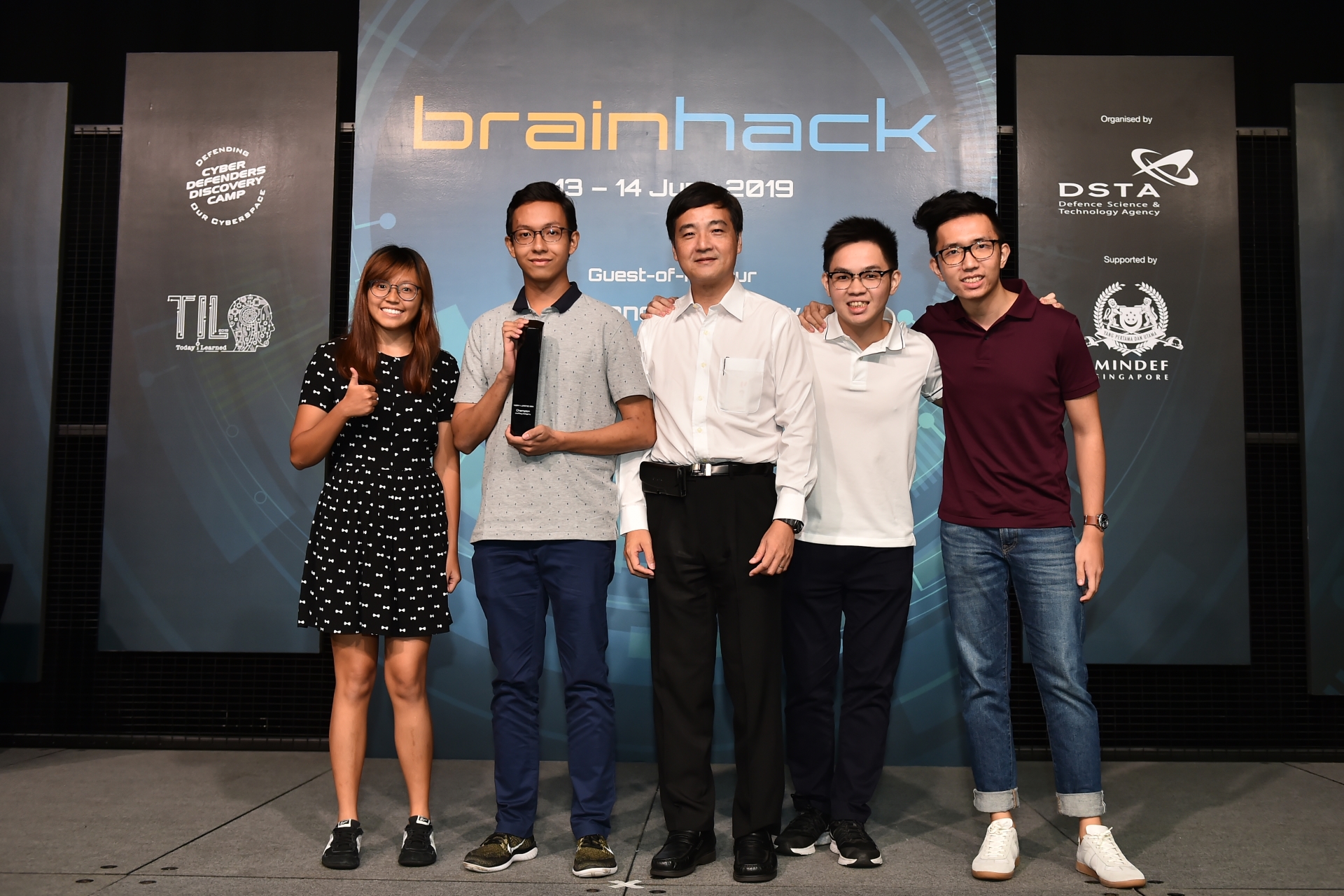
The team, which emerged champions in the TIL Camp among teams from universities and polytechnics, received their award from Senior Minister of State for Defence Heng Chee How on 14 Jun in a ceremony held at the Expo.
Grooming talents
In his speech at the award ceremony, Mr Heng noted that defence engineers are already tapping on AI and other technology to help overcome manpower challenges in Singapore.
He said that DSTA and the Ministry of Defence are committed to developing these capabilities further -- by grooming young talents in AI and cybersecurity.
"Through events such as this BrainHack, we hope to inspire talented individuals to follow in the footsteps of our defence engineers, and use your talents…for the greater good of Singapore."
Defending a smart city
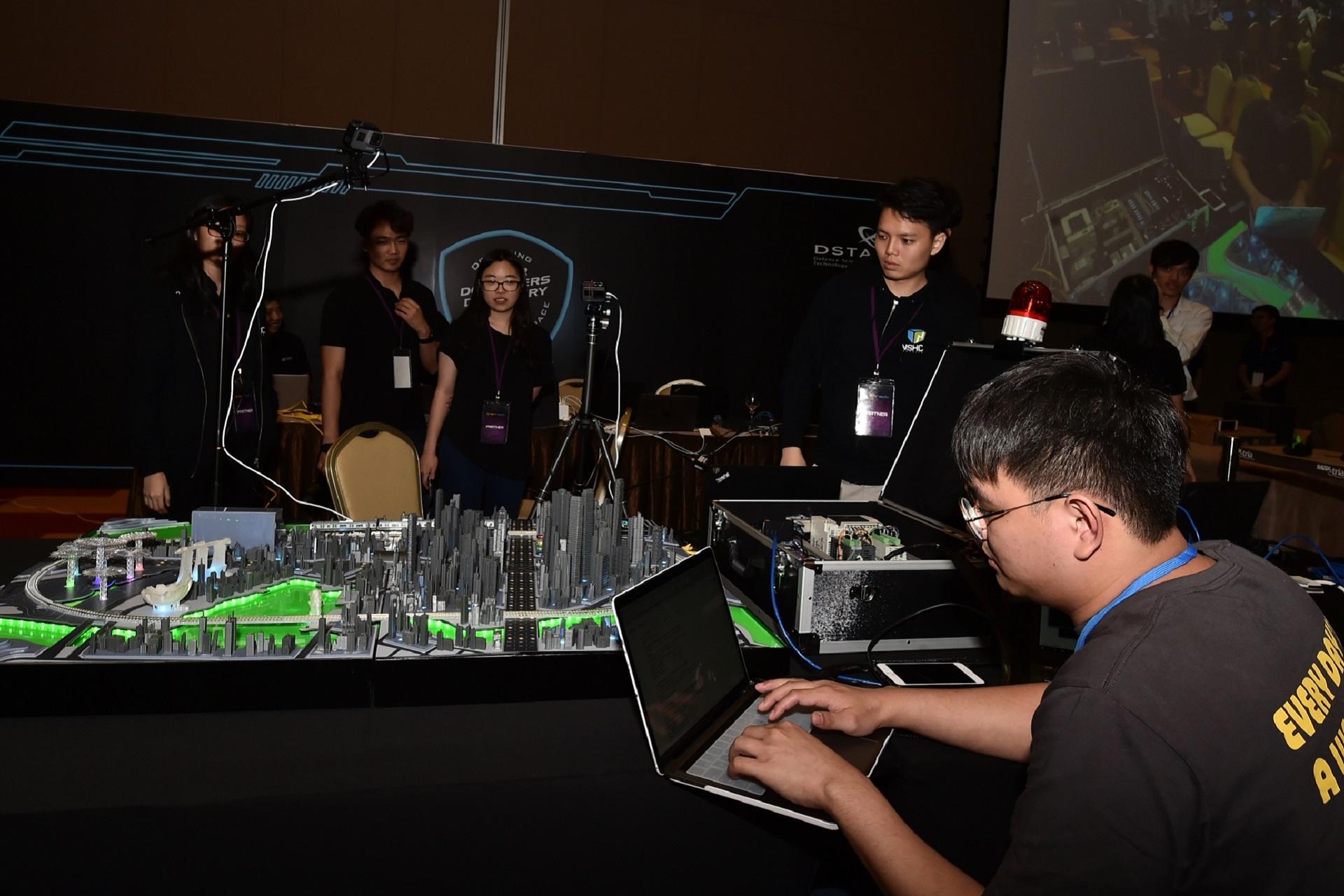
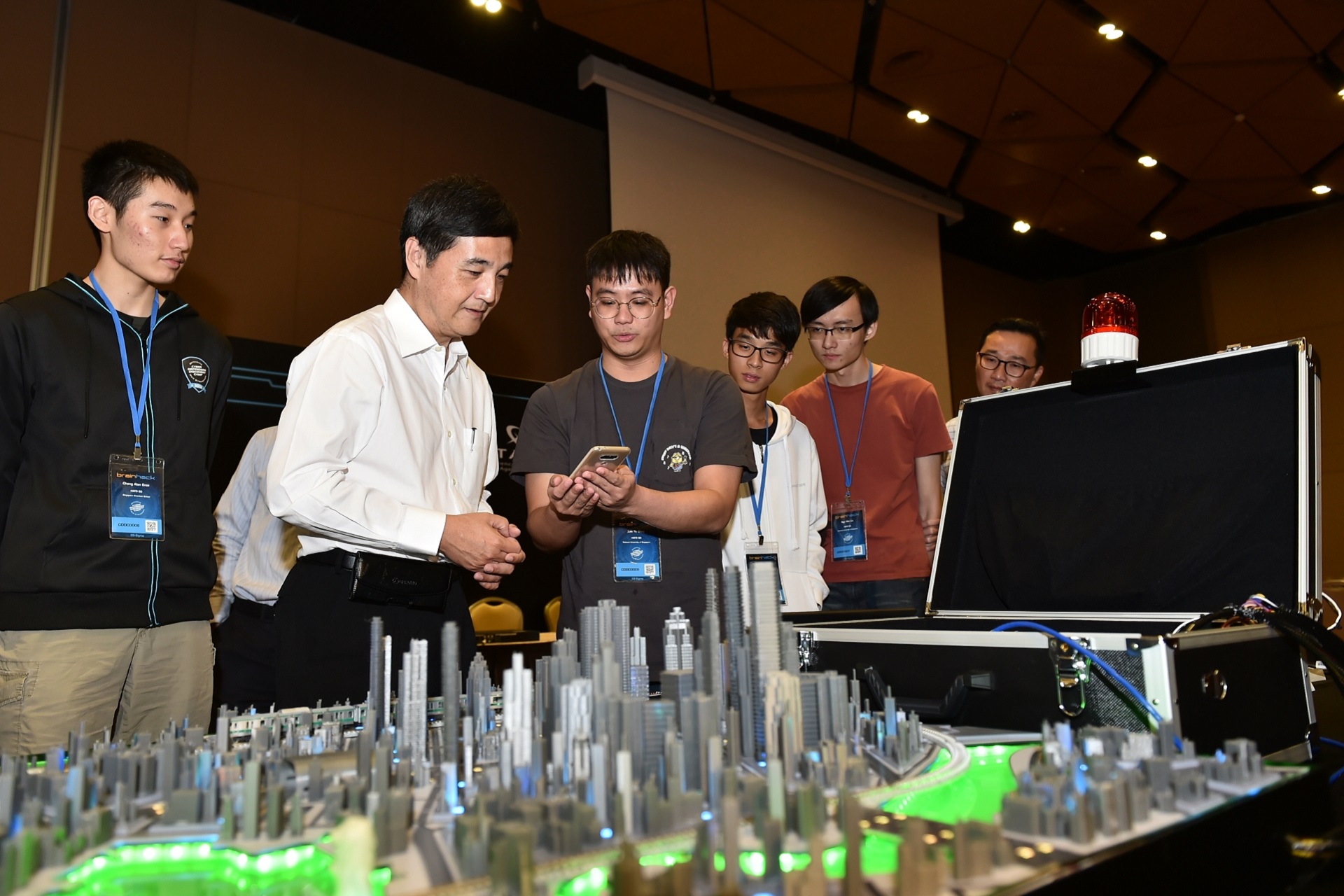
At the Cyber Defenders Discovery Camp, participants attempted to plunge a replica model of a smart city into darkness, by detecting and exploiting the vulnerabilities in its power supply system.
In the real world, detecting a vulnerability early will allow authorities to develop solutions to prevent others from attacking it.
Participants could see the impact and the progress of their work in real-time from the smart city model: As the power supply in each sector gets disrupted, the light illuminating the buildings turns from blue to red.
They also played "good guys", working on incident response, digital forensics and security risk auditing.
A team of four – comprising students from Anglo-Chinese School (Independent), National University of Singapore and Singapore American School – emerged as the winner.
To prepare for the competition, they went through three weeks of online training in May on various cyber security topics.
Team member Calvin Fong, 18, said their key takeaway from the competition was the chance to work on power supply systems. "We had a lot more exposure to industrial systems that we usually don't have."
First-hand experience
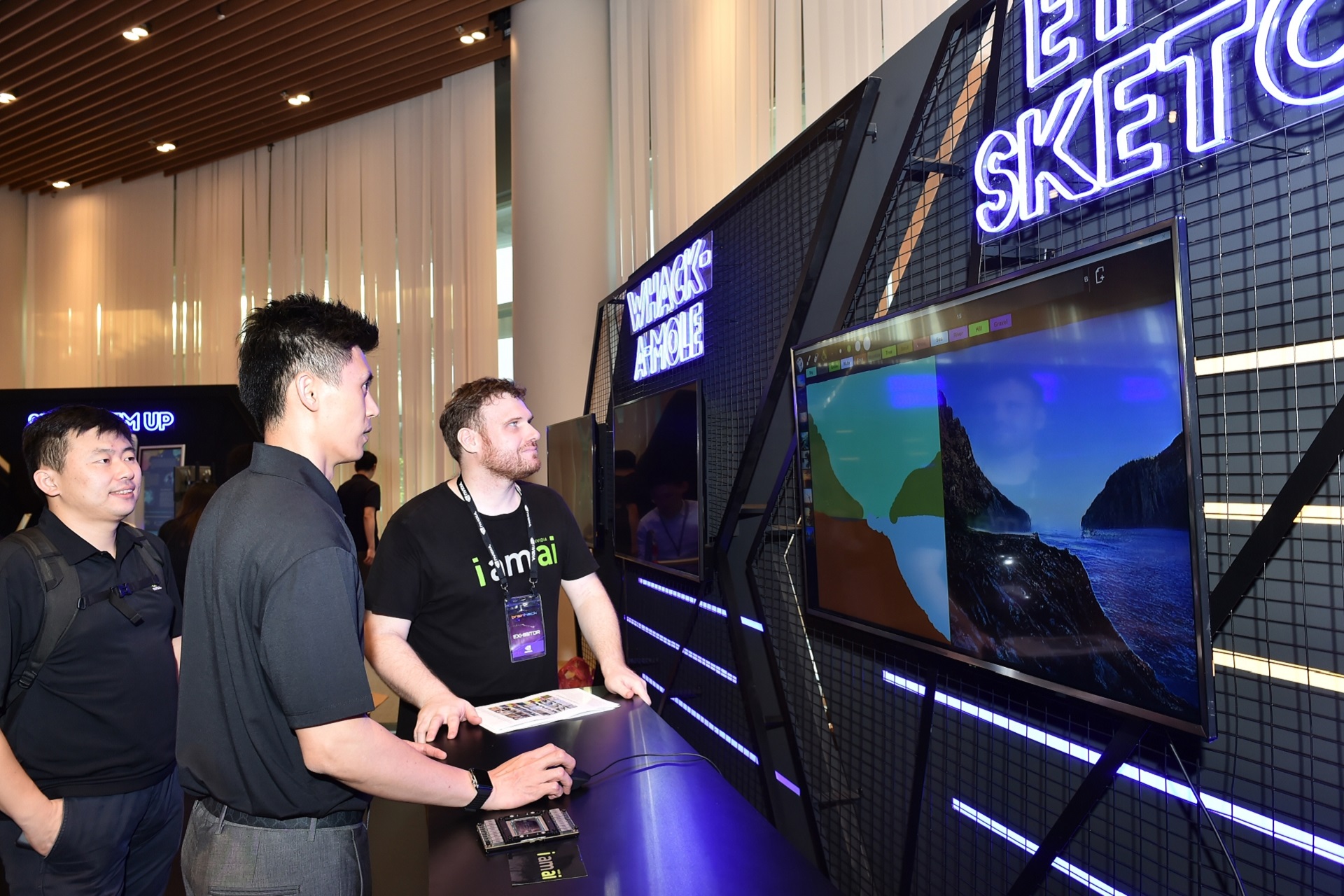
At the Tech Showcase, camp participants and students got a first-hand understanding of AI and cybersecurity through interactive exhibits from DSTA as well as industry partners such as Amazon and IBM.
An eSports-themed exhibition featured drones, autonomous vehicles and various AI applications.
Ms Gayle Chan, Co-Chairman of BrainHack 2019 Organising Committee and Director Digital Hub, DSTA, said the purpose of the Tech Showcase was to attract the casual enthusiasts.
"We also want to involve more students – not just those who signed up for competitions, but also…other students, (who are) maybe more casual observers of technology, to come in and get hands-on (exposure) and see how artificial intelligence and cybersecurity can affect them."

ALSO READ IN TECHNOLOGY
AI joins the fight in national cyber defence exercise
12 Nov 2025
AI and closer collaboration among agencies and industry are taking centre stage in this year’s Critical Infrastructure Defence Exercise (CIDeX).
They built this city
01 Oct 2025
Turning vision to reality: the team behind SAFTI City clinches the Defence Technology Prize 2025 Team (Engineering) Award!
Operating over skies & seas
22 Aug 2025
This gear is designed to help a Sensor Supervisor survive emergencies in the air and at sea.