
COMMUNITY
SAF TO TAP AUGMENTED REALITY FOR SIMULATION TRAINING
19 Jan 2017
They run up the stairs, crawl through a tunnel, and come to a room where they can see virtual enemies - known as avatars - through their augmented reality goggles. The soldiers instinctively fire their weapons to take them down.
This is the future of simulation training in the Singapore Armed Forces (SAF), where soldiers train in a real environment like the jungle or a building rather than in a simulator.
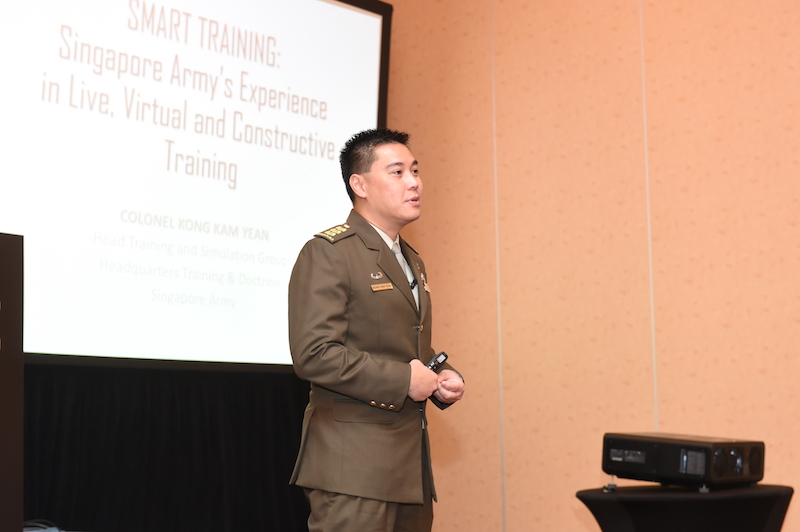
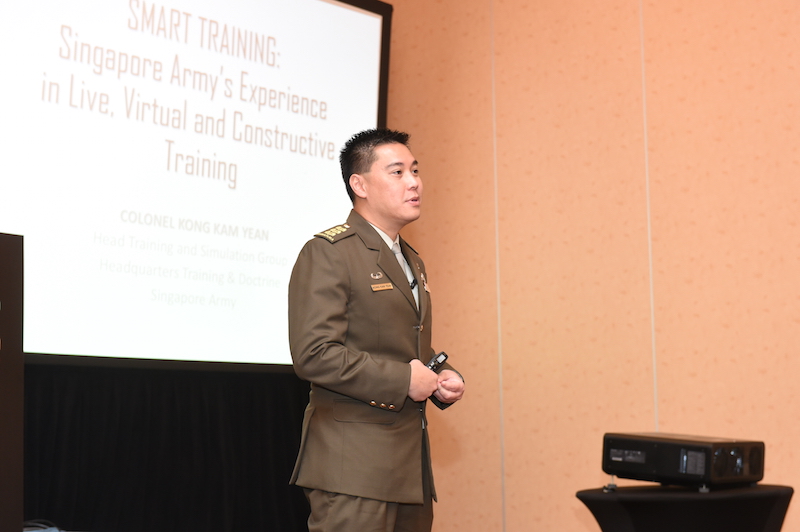
"No commander will say, 'my troops are going to be well-trained in an air-con room'," said Colonel (COL) Kong Kam Yean, Head of Training and Simulation Group in the SAF. "With augmented reality, you can add realism to field training. Soldiers are running and climbing and crawling, so they'll feel tired, confused, and yet have to react to the avatars."
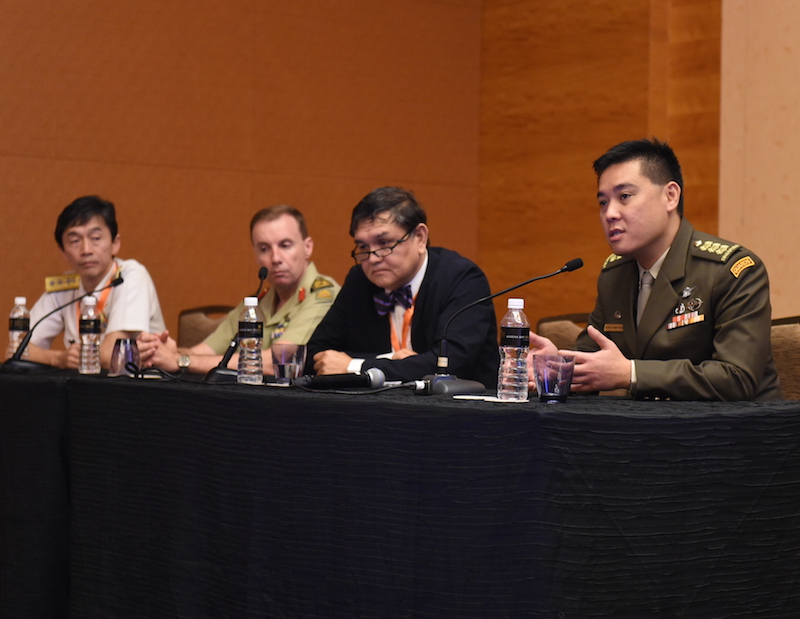
COL Kong was speaking on the SAF's future plans as well as past experience in developing its simulation training systems in a keynote address at the opening of Asia MilSim 2017 on 17 Jan.
Held at the Sands Expo and Convention Centre, the two-day military simulation conference brought together international delegates from the military, industry and academia.
Addressing over 150 delegates, COL Kong spoke on how the use of simulators had allowed SAF soldiers to hone their competency faster and safely before operating a real weapon or vehicle.
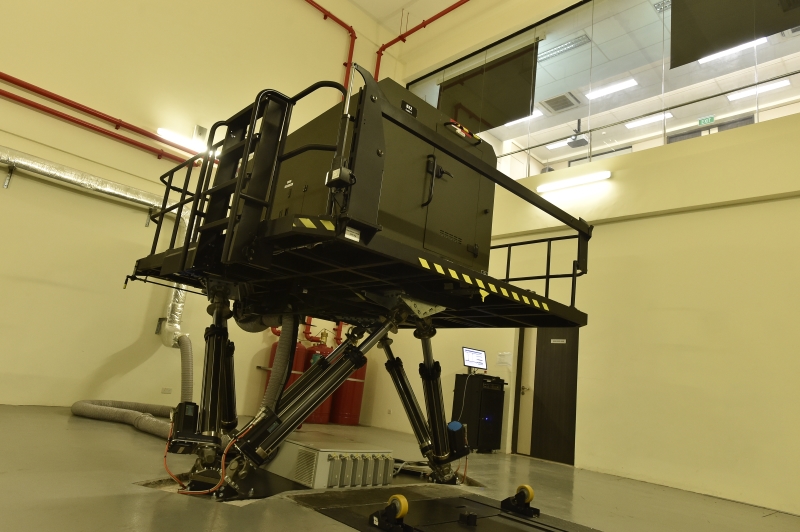
A recent example was the Armoured Driving Simulator which allowed tank crew to practise driving their armoured vehicles across rough terrains under enemy fire, without posing any danger to them.
Using a mix of live and simulation training, the Army was able to train the same number of drivers in about half the time needed previously, said COL Kong.
He also spoke on the Live-Virtual-Constructive (LVC) simulation system that had enabled the SAF to overcome space constraints, and cut cost.
For example, because of airspace constraints in Singapore, flying an unmanned aerial vehicle (UAV) might not be possible. But virtual UAV surveillance images could be delivered to 'live' troops on the ground. At the same time, more battalions or even divisions of troops could be 'constructed' in the wargaming system for battle planners to practise making decisions in a large-scale battle.
The set-up had also allowed citizen soldiers - who needed to juggle their in-camp training with work and family commitments - to take part in overseas exercises without leaving Singapore, said COL Kong.
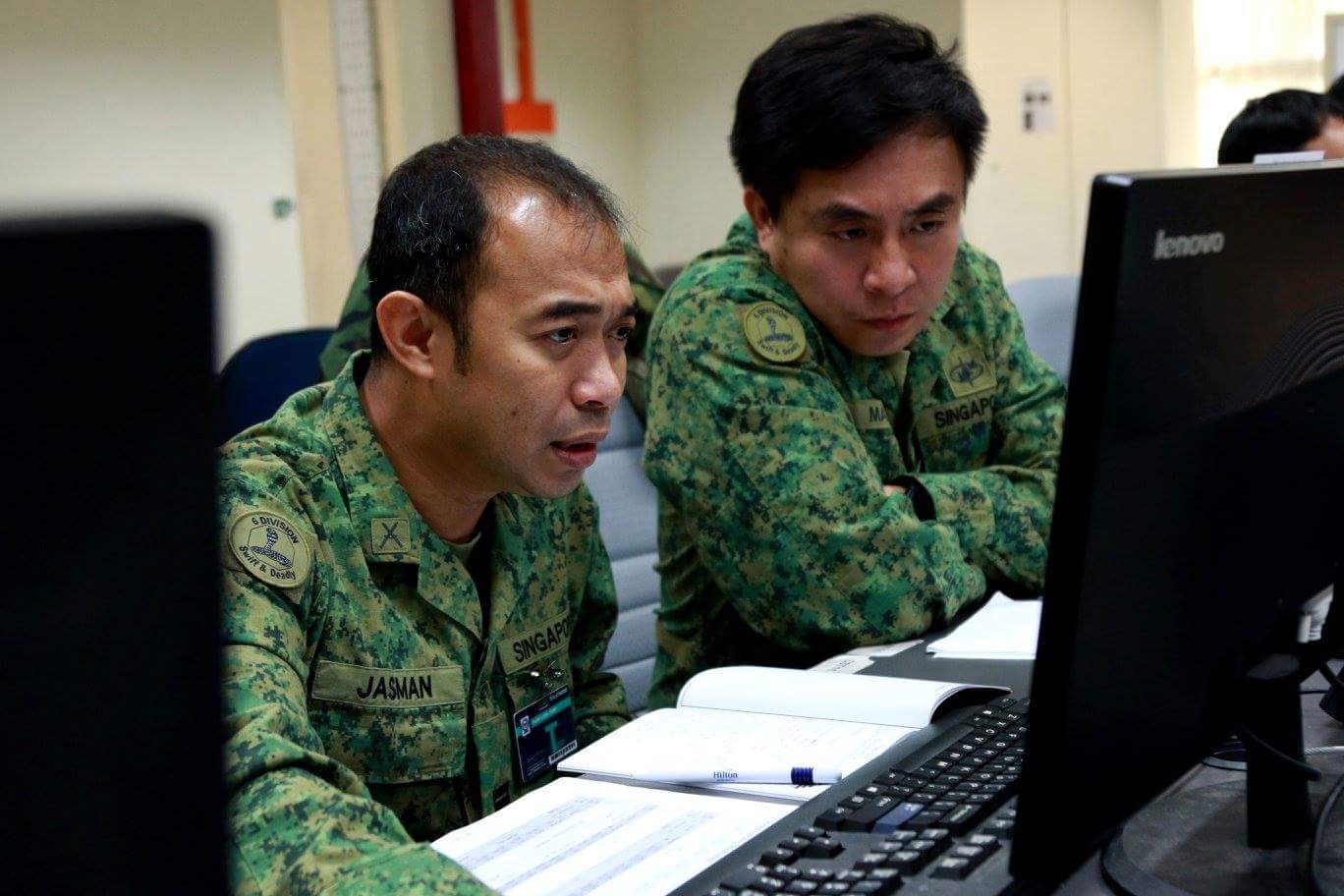
Last year, at Exercise Tiger Balm, where soldiers from the 9th Singapore Infantry Brigade trained in Hawaii with the US Army, a group of Operationally Ready National Servicemen (NSmen) based in Singapore also took part in the exercise. The wargaming systems from both the Singapore and US armies were connected, allowing battle data to be delivered to one another real time.
COL Kong said the LVC simulation system - integrating 'live' training in the field with virtual platforms, and force elements constructed in the wargaming system - was a good solution for a tiny country like Singapore.
"All in all, we managed to achieve realism, 'expand' our training space, and reduce cost," he said.

ALSO READ IN COMMUNITY
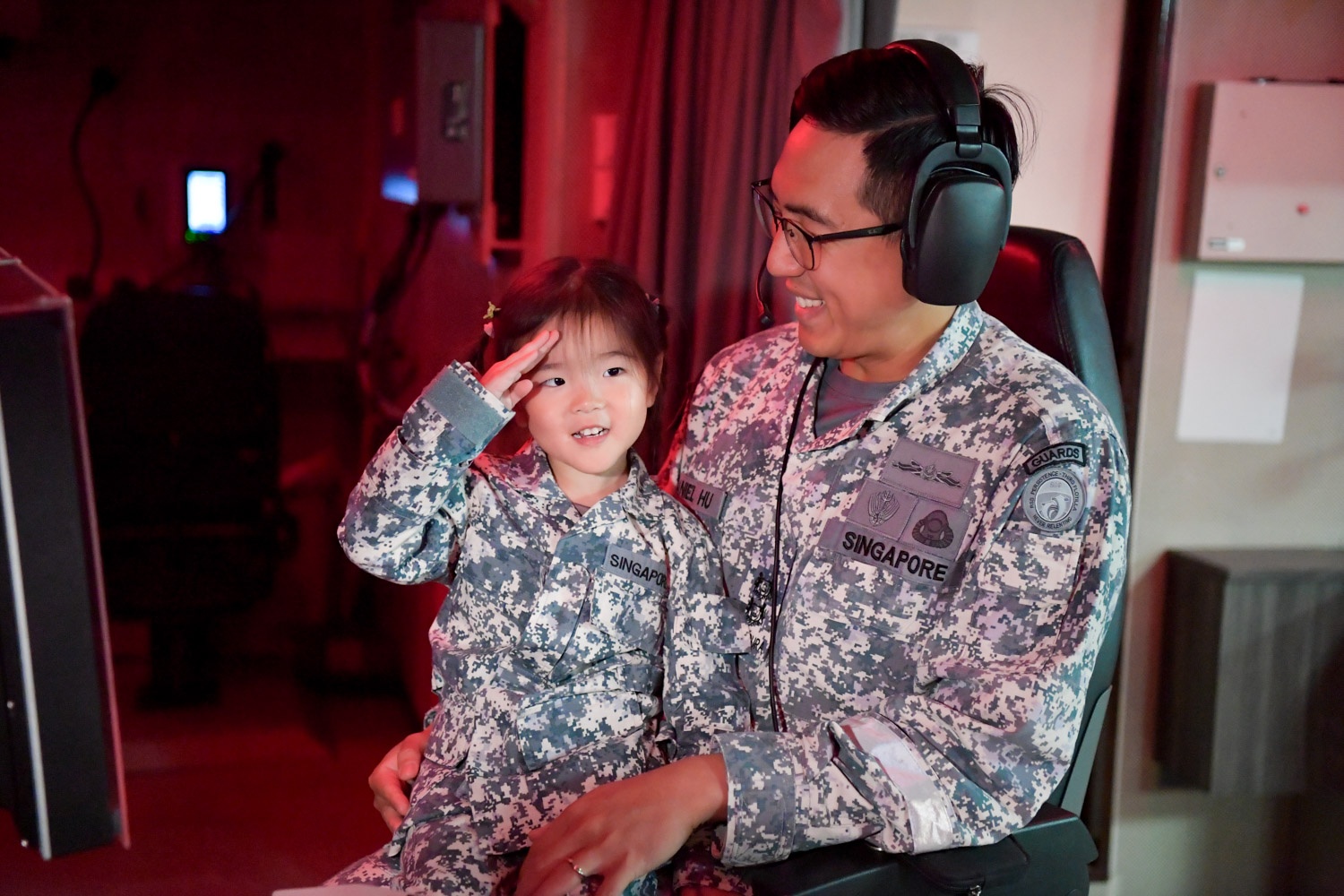

Happy 61st birthday, Singapore!
09 Aug 2026
Experience the magic of Singapore’s 61st birthday: Returning to the National Stadium after 10 years, NDP 2026 dazzled the crowds with an unforgettable show.
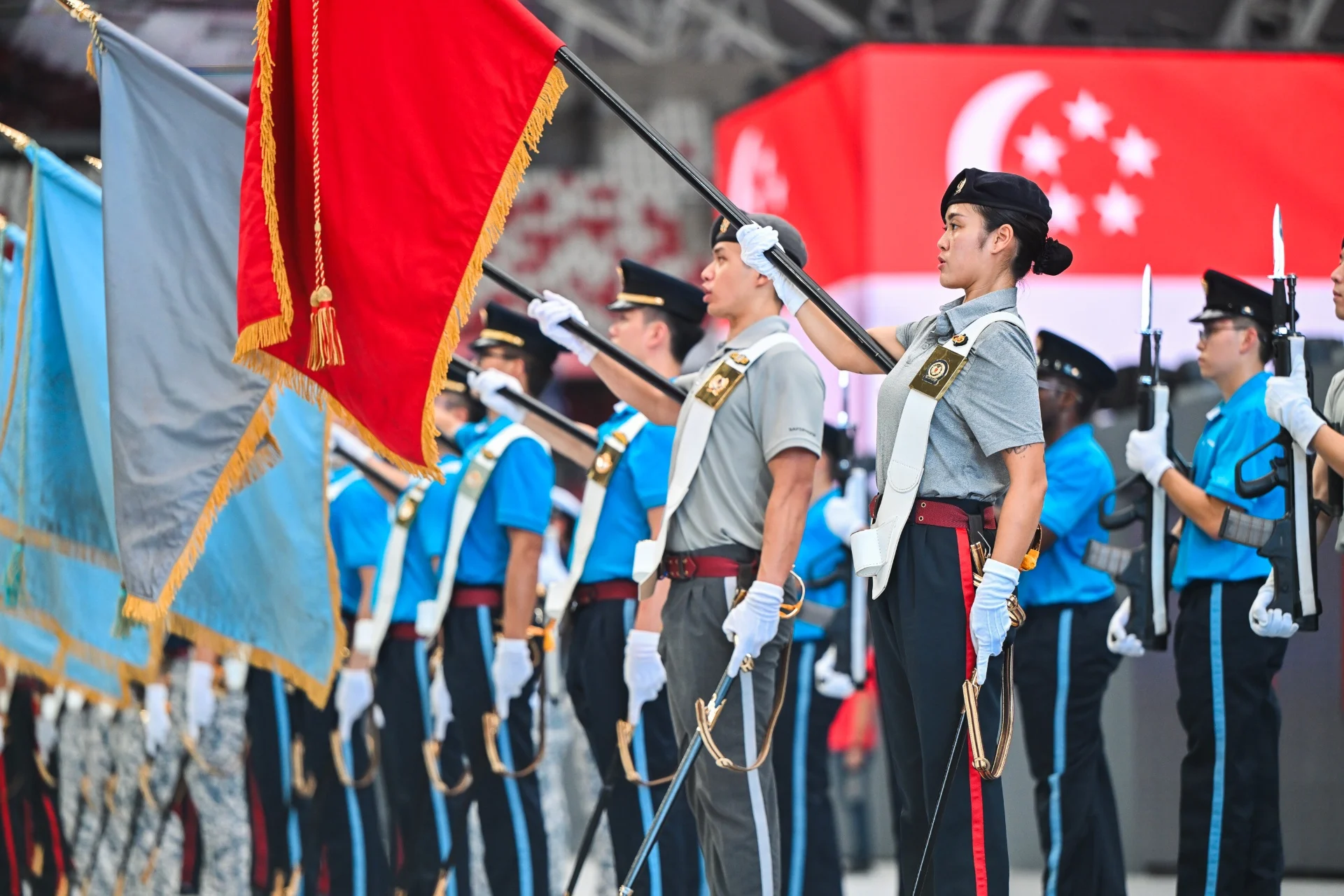
Your backstage pass to NDP 2026
06 Aug 2026
Ever wondered what goes on behind the scenes of NDP? We take a peek behind the curtain to uncover the hard work that this year’s performers have put in since rehearsals began months ago.
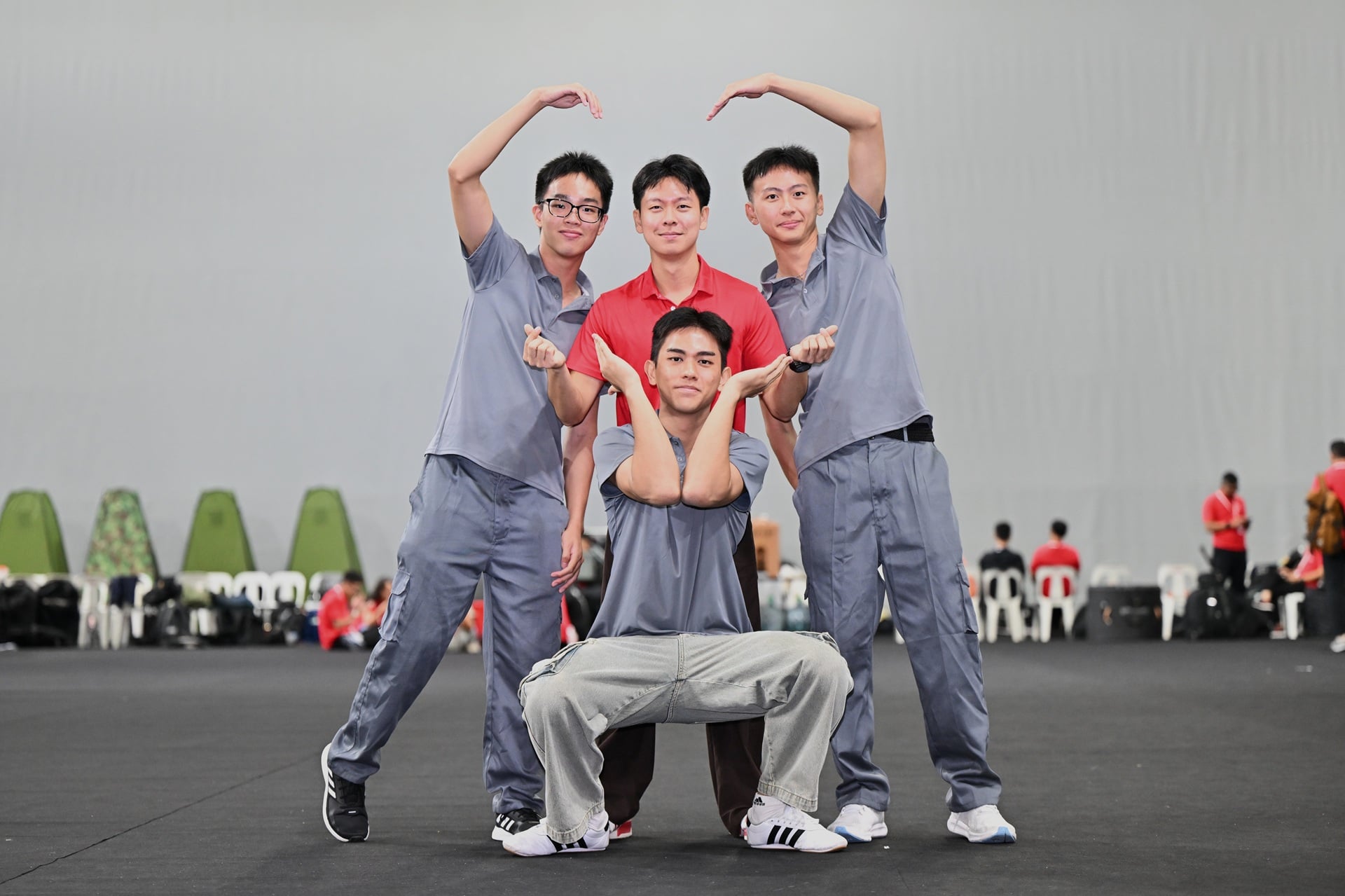
What it takes to be a viral NDP mascot
25 Jul 2026
They’ve been stealing hearts as the lovable mascots at the National Day Parade (NDP). Meet the NSFs behind the costumes and high-energy dance moves.