
OPS & TRAINING
LOST AND FOUND
11 Oct 2005
Using a bright red datum to mark the starting position of the search, they descend down the rope right to the bottom of the seabed.
With swirling flotsam and grimy particles all around, the murky waters provide zero visibility one is plunged into darkness even in the middle of the day.
Guided only by the rope attached to the datum, they systematically swim around in circles over a 30-metre radius. And sometimes when visual scanning is not possible, they have to get on their hands and knees and practically crawl on the seabed to feel for the item they are searching for.
It is a long and arduous process for these unsung heroes, the naval divers from the Republic of Singapore Navy's Naval Diving Unit (NDU), who respond to search and rescue operations.
The NDU is the Singapore Armed Forces' authority on all military diving issues. Besides search and rescue, the unit provides diving support to the SAF in clearing mines, protecting naval bases, and disposal of unexploded ordinance and other improvised explosive devices.
"We respond to aircraft mishaps, ship collisions and also drowning cases," said Major (MAJ) Neo Kim Hang, Commanding Officer of NDU s Clearance Diving Group. "The team is also involved in salvage operations where they retrieve items ranging from lost military equipment and items to be used as court evidence."
"In some of these cases, there are possible scenarios where people are trapped and there are survivors, so the team actually responds as fast as possible to get to the scene and to rescue them."
Each Diving Response Team (DRT) is made up of six men, including one dive supervisor. NDU has four teams that are on 24-hour stand-by, on a rotational basis.
Typically, the Singapore Police Force (SPF) will be the first agency to receive calls from the public or eye-witnesses.
The SPF will arrive on the scene and inform the Ministry of Defence (MINDEF), and if necessary, a DRT will be activated.
The team will move out as soon as possible in their diving response vehicle, a customised truck that can fit all the required equipment such as the Zodiac boats and floating buoys.
On site, they take less than 20 minutes to set up. The divers are equipped with handheld locator sonars. If required, a side-scan sonar with a wider range can also be towed behind the boat to feed images of the sea bed below.
Each diver and his buddy have a float line attached to them so they can use it to send signals to the boat when required. The dive supervisor can also use the float line to monitor their movements.
When they find anything, the diver will carry it up, or ask for a line to be lowered to hook it up. For really heavy objects, a lifting bag is used where the bag will be tied to the object and inflated with air to help lift it up.
Anything that is found will be turned over to the SPF.
However, to successfully retrieve a body or missing item is not as easy as many people believe. Besides poor visibility, strong underwater currents sometimes prevent divers from carrying out their dives. Also, a common problem is inaccurate information provided by witnesses."They would normally point out the location but because it is not on land, with the rise and fall of the tide, it is difficult for them to pinpoint the correct location," said MAJ Neo (left). "This impairs our ability to carry out the search and recovery."
Master Sergeant (MSG) Chris Chia (left), a dive supervisor who has been in the DRT for five years, recalls the longest he has been out for a search is from about "7-plus in the morning all the way to sunset". "We did not find anything and we went back again the next day again to search," he said.Added MSG Chia: "It is up to the police and the duty officer to make the decision what to do next and whether it is safe to continue. But most of the time, it is more a mental thing than a physical one, especially for drowning cases.""It is our job and it is not glamorous, but we are helping the grieving families to give closure to the tragic incident."Physical and mental resilience is expected of these naval divers, who have undergone more than eight months of intensive training before they are deemed operationally ready. The training includes a team-building week where trainees get only six to eight hours of sleep over five days, while carrying out various training circuits and tasks assigned to them.

ALSO READ IN OPS & TRAINING
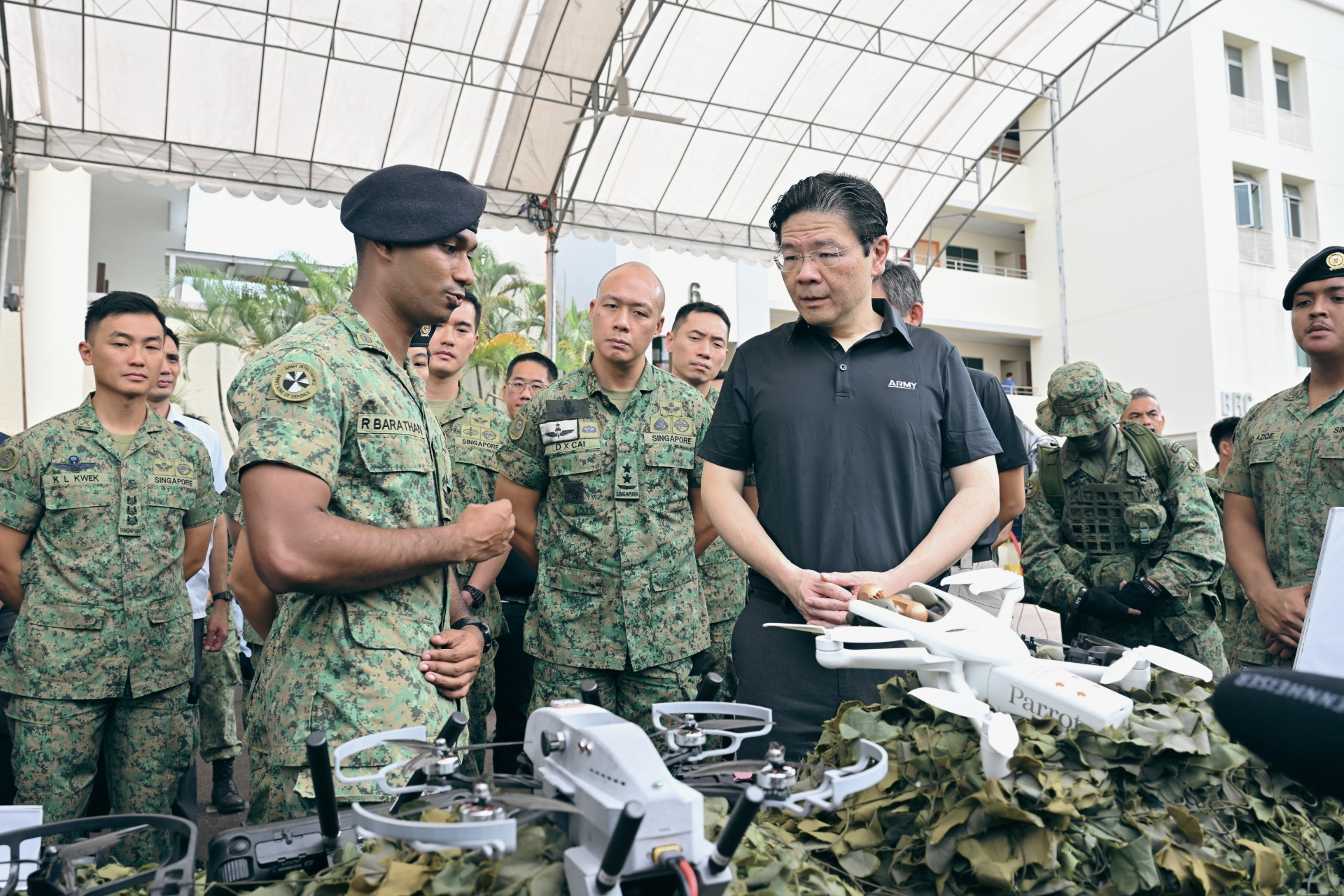
Prime Minister Lawrence Wong observes SAF’s sense-strike integrated capabilities
09 Apr 2026
He witnessed the SAF’s ongoing efforts in leveraging advanced robotics and cross-Service integration to secure Singapore’s interests in an increasingly volatile world.
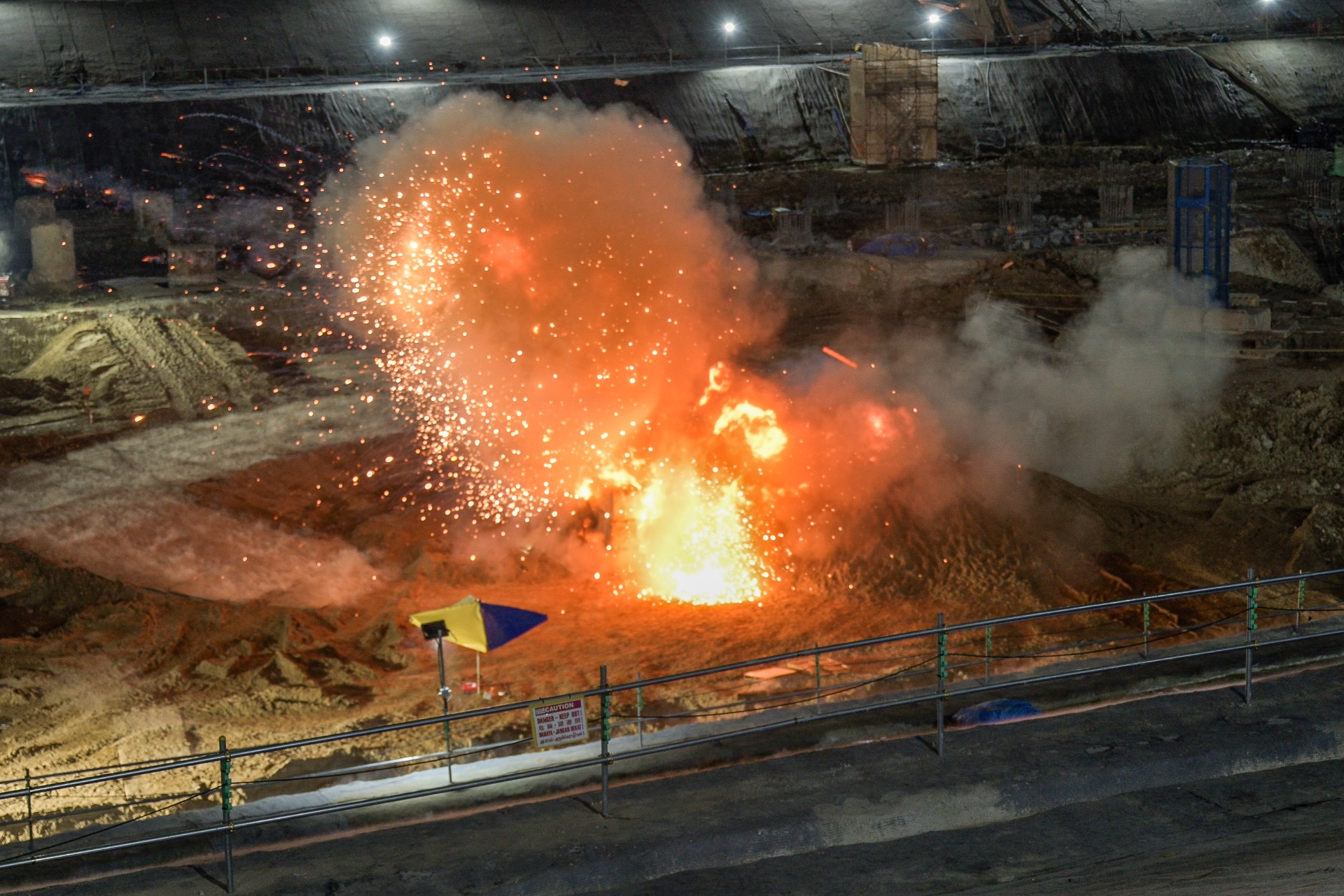
SAF detonates 250kg WWII bomb uncovered at Tanah Merah Coast Road
02 Apr 2026
On 2 Apr, the SAF’s Explosive Ordnance Disposal (EOD) team successfully disposed of an unexploded war relic found at Tanah Merah Coast Road.
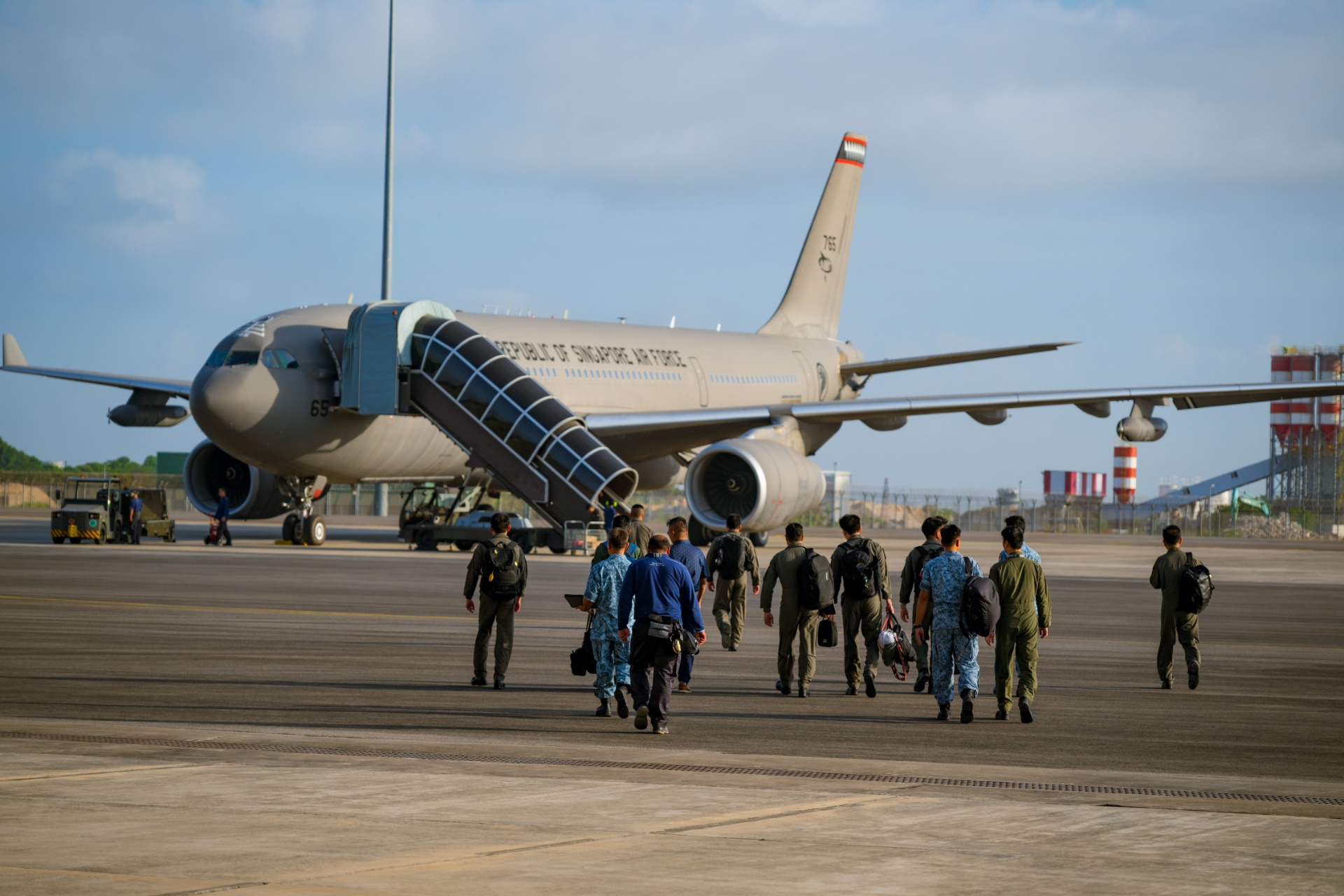
Flying into the unknown: Inside RSAF’s mission to bring S’poreans home from Middle East
28 Mar 2026
Despite the risks and complex challenges of flying in a conflict zone, the men and women of the RSAF pulled off a successful mission through careful planning and hard work.