
OPS & TRAINING
FLAGSHIP FOR NAVAL TRAINING EXCELLENCE UNVEILED
01 Feb 2006
With a wider spectrum of operational demands to address and more sophisticated systems to operate, it is more vital than ever for the Republic of Singapore Navy (RSN) service personnel to be well trained, so they can exploit the new platforms to their fullest potential.
Minister for Defence Teo Chee Hean said this at the official opening of RSS Panglima-Changi Naval Training Base (CNTB) on 27 Jan.
"Training must therefore be geared towards producing self-directed learners who can adapt in a fast-paced, ever-changing environment. They must be skilled innovators, willing to question convention, accept calculated risks, and handle unexpected setbacks," he emphasised.
"Our limitations in manpower require us to make the best use of the people we have."
As the RSN's premier training institution for Warrant Officers and Specialists, RSS Panglima looks set to fulfil this vital role.
Located to the west of Changi Naval Base, this 6.7-hectare facility (equivalent to 11 football fields) is the new home of the RSN's Training Command (TRACOM).
TRACOM is responsible for all aspects of individual training in the RSN and comprises the Institute of Maritime Warfare (IMW) and the Institute of Maritime Operations and Systems (IMOS).
The proximity to an operational base was one of the key factors considered when the building project was conceptualised. This will allow both bases to share common support facilities such as sports and medical functions.
"With an operational naval base just next door, Panglima can maximise the benefits from close interaction and feedback between our sea-going personnel and maintainers in the base, and the trainers here. This synergy will make the training that Panglima can deliver more relevant and responsive," added Mr Teo.
As a step towards a third-generation maritime force, RSS Panglima employs advanced learning methods and is equipped with state-of-the-art training technologies.
Together with senior Ministry of Defence and Singapore Armed Forces officials, Mr Teo visited training simulators such as the Ship Handling Simulator, Platform Systems Emulation Centre, the Submarine Steering and Dive Trainer, and the Basic Naval Trainer. These training technologies provide realistic simulator training and practical hands-on training for RSN servicemen.
In addition, RSS Panglima has a Learning Laboratory, equipped with wireless Internet, where instructors employ innovative teaching methods such as Problem-based Adult Learning Strategies and self-directed learning.
Beyond professional training, Mr Teo expressed his hope for RSS Panglima to inspire purpose, instil commitment, and develop resilience in the sailors.
"The learning culture in Panglima must inculcate the right values. There must be role models who lead by example and inspire young sailors. I am confident that Panglima will live up to this need," he said.

ALSO READ IN OPS & TRAINING
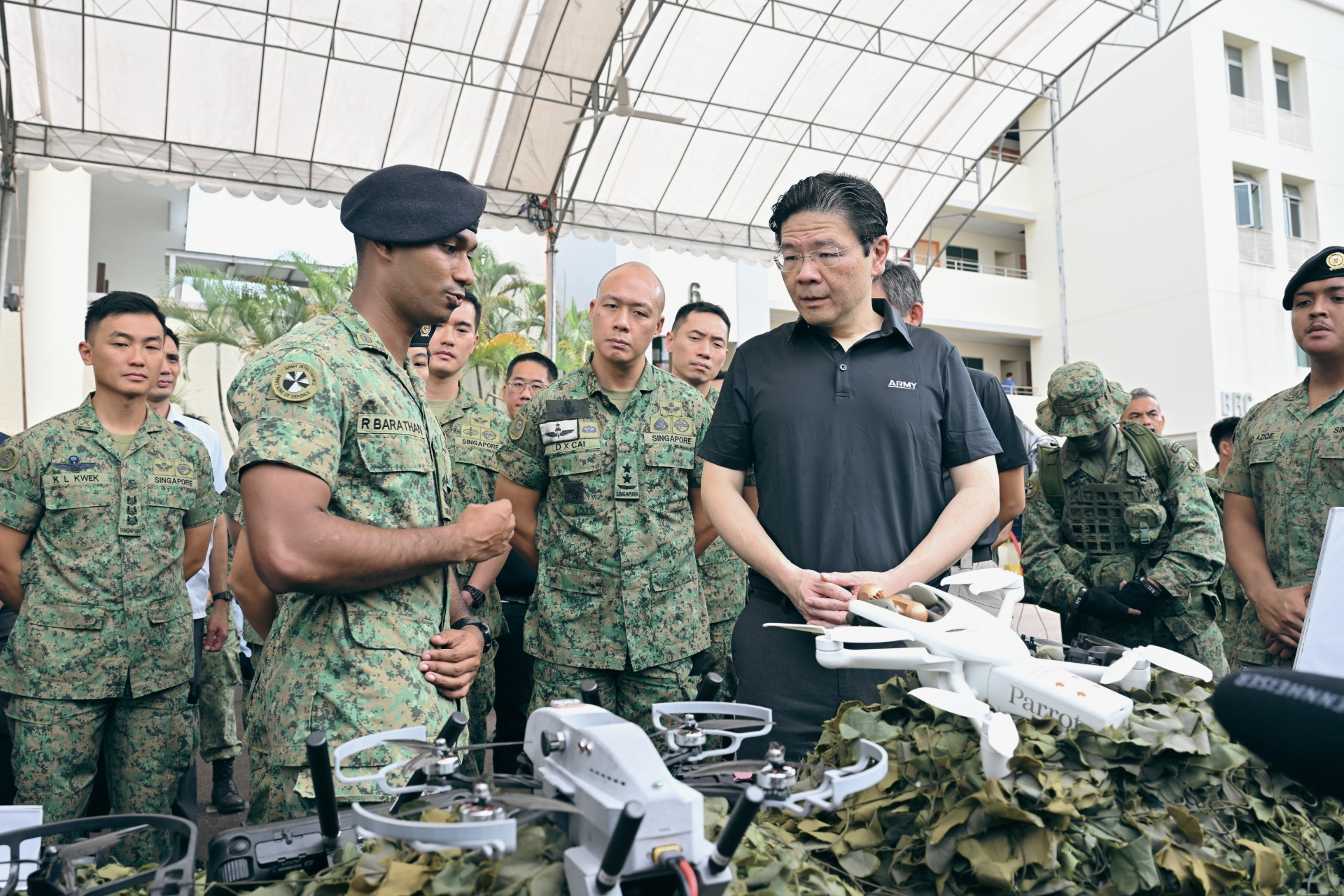
Prime Minister Lawrence Wong observes SAF’s sense-strike integrated capabilities
09 Apr 2026
He witnessed the SAF’s ongoing efforts in leveraging advanced robotics and cross-Service integration to secure Singapore’s interests in an increasingly volatile world.
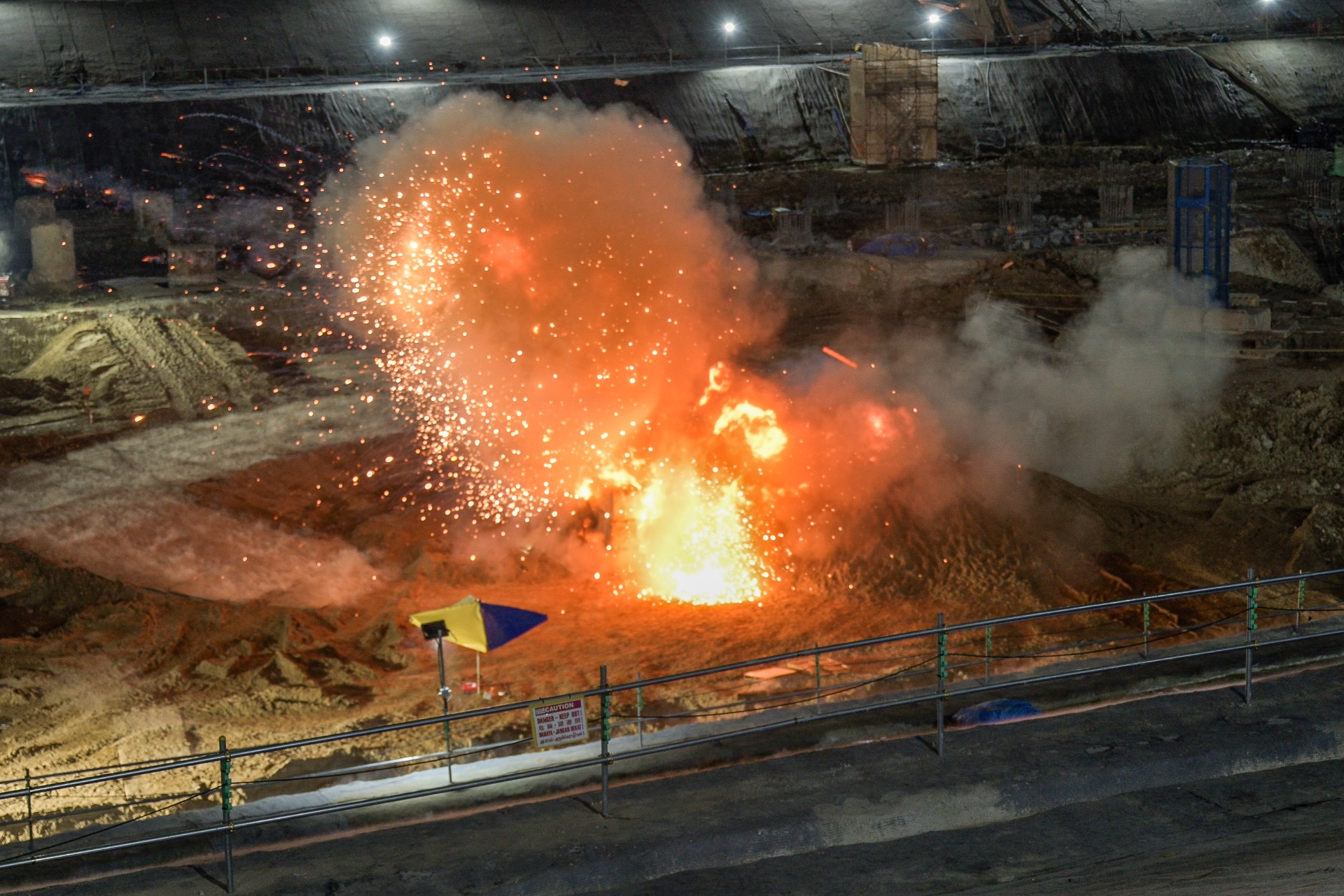
SAF detonates 250kg WWII bomb uncovered at Tanah Merah Coast Road
02 Apr 2026
On 2 Apr, the SAF’s Explosive Ordnance Disposal (EOD) team successfully disposed of an unexploded war relic found at Tanah Merah Coast Road.
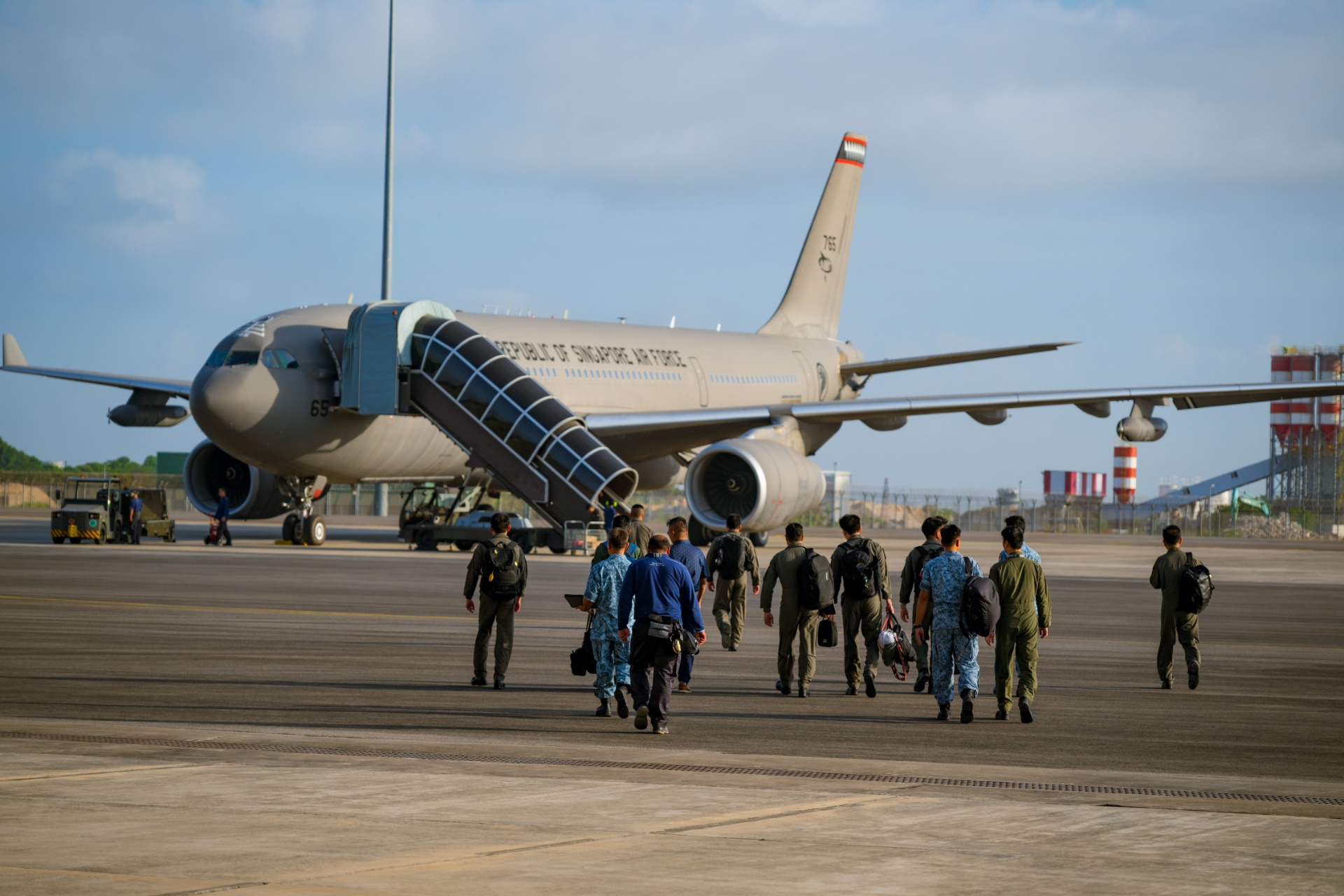
Flying into the unknown: Inside RSAF’s mission to bring S’poreans home from Middle East
28 Mar 2026
Despite the risks and complex challenges of flying in a conflict zone, the men and women of the RSAF pulled off a successful mission through careful planning and hard work.