
OPS & TRAINING
SAF set to expand Pulau Tekong training areas; SAFTI City open for training
03 Mar 2025
Pulau Tekong will be expanded to stretch 10km, and is part of the SAF’s investments in training infrastructure for more effective and realistic training.
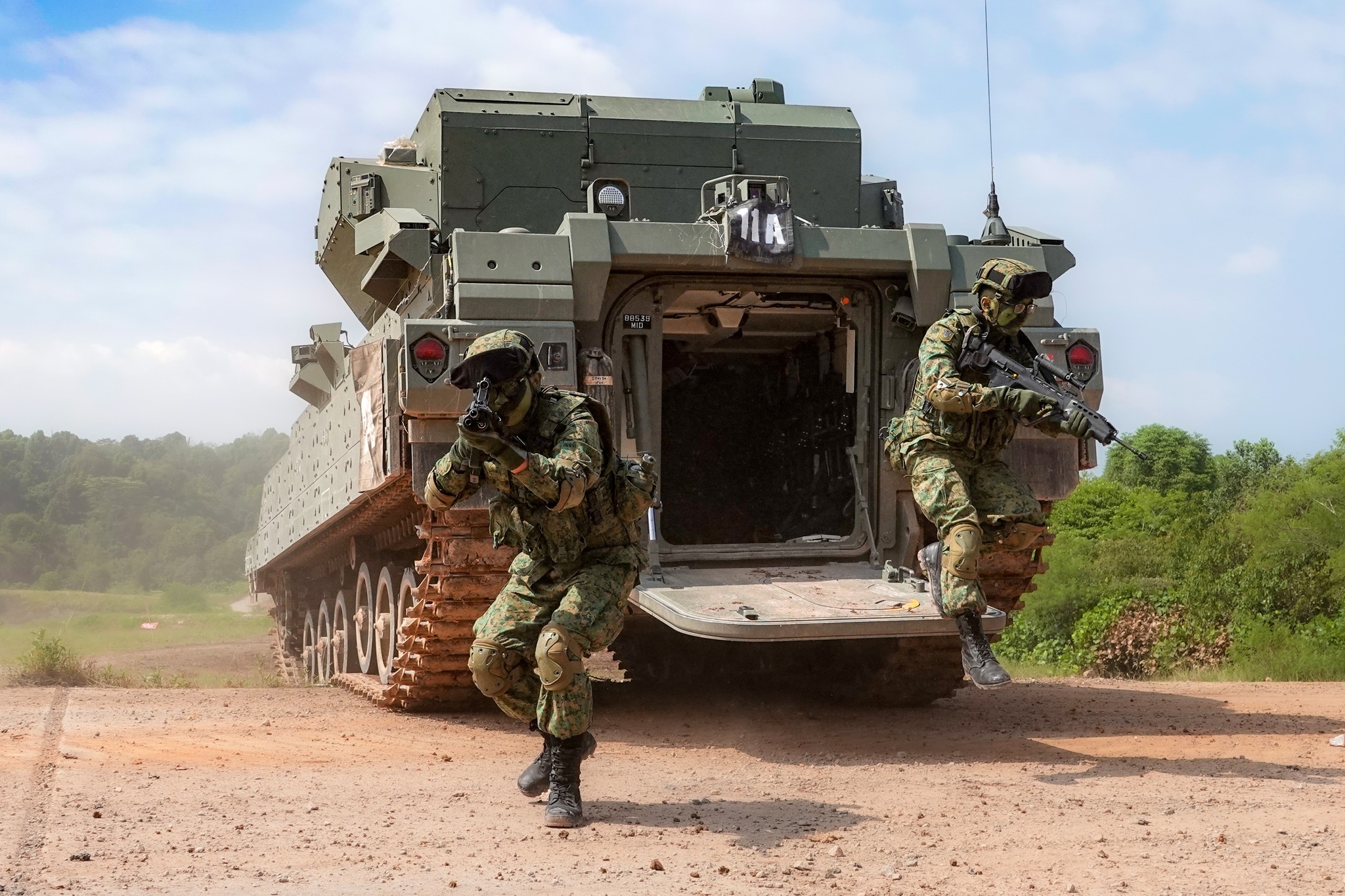
The expanded training area in Pulau Tekong will be able to host company-level training for mounted troops. [File photo: Army Facebook. Pictured are troops dismounting from a Hunter Armoured Fighting Vehicle]
Built on reclaimed land, the new development on Pulau Tekong will be able to facilitate amphibious, heliborne and urban combat training, along with an enhanced field camp site for Basic Military Training.
The island will be expanded to stretch 10km in distance, to act as the Army’s second manoeuvre training area in Singapore, said Minister of Defence Dr Ng Eng Hen on 3 Mar during the Committee of Supply Debate on the defence budget.
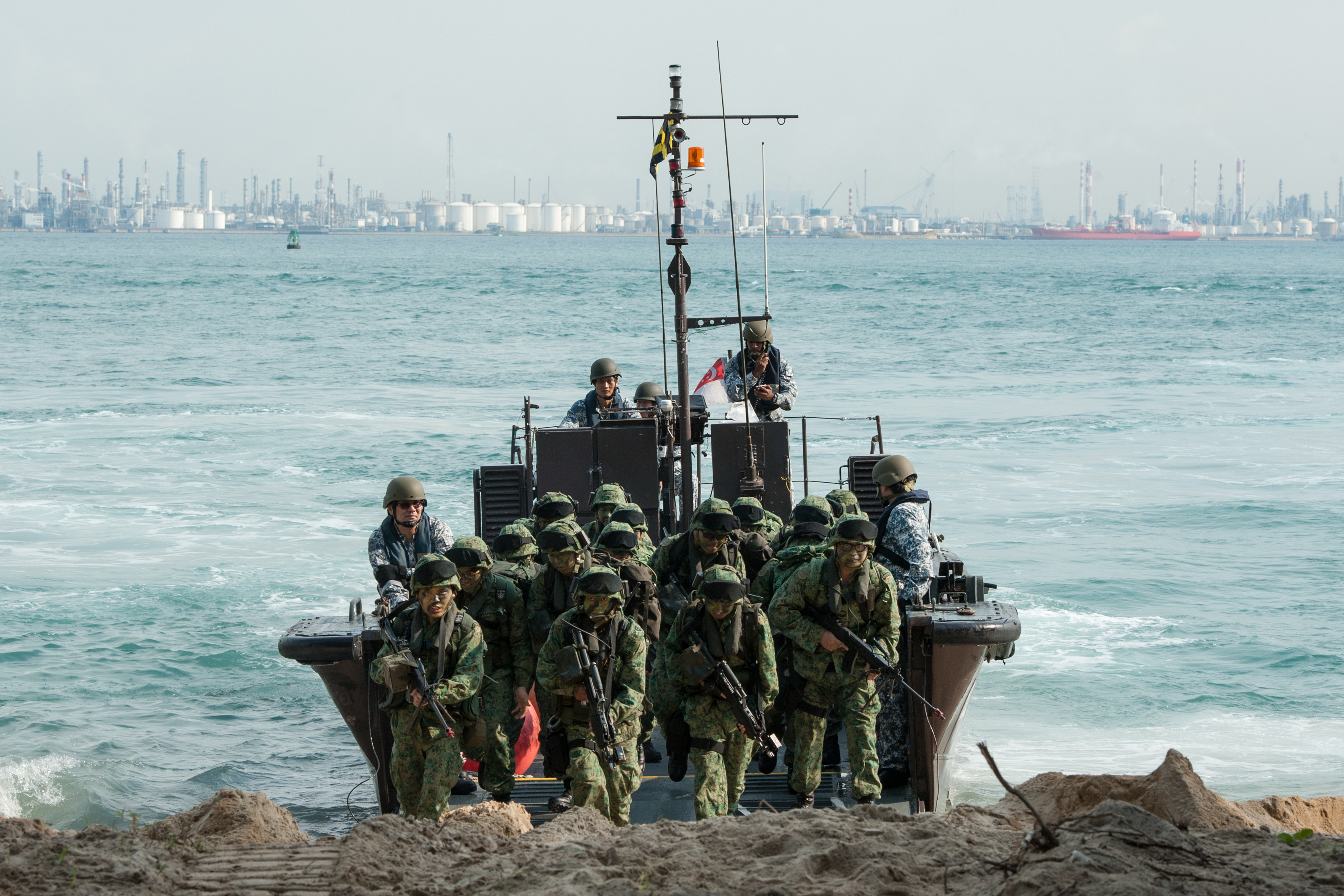
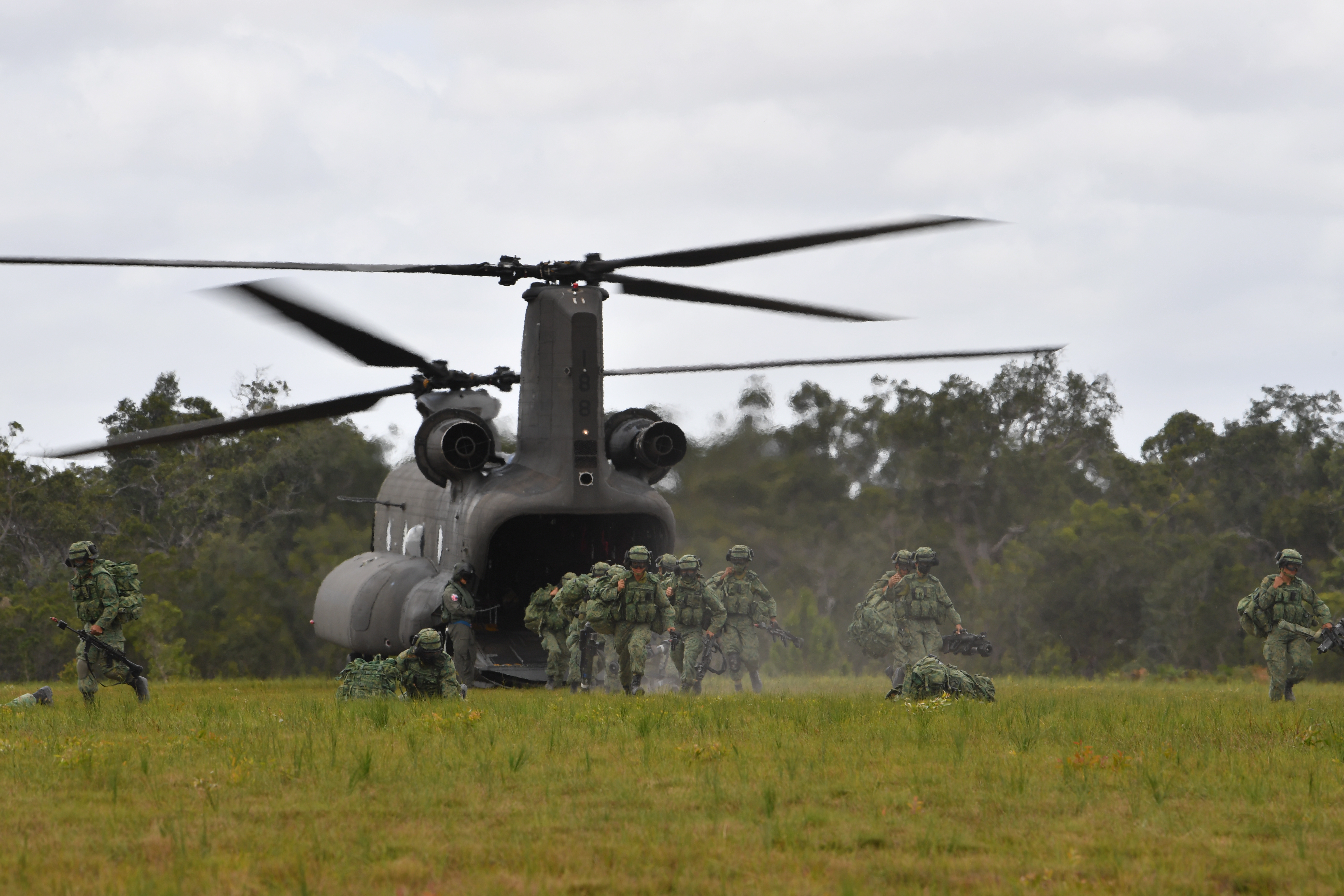
In his speech in Parliament, Dr Ng shared that the Singapore Armed Forces (SAF) will be acquiring new assets and upgrading its capabilities across the air, land, sea and cyber domains.
“All these new capabilities and structures will better prepare the SAF to defend Singapore today and in the future. But it will come to nought if our soldiers are not committed or trained for their tasks.”
“The SAF (Singapore Armed Forces) has indeed put significant amounts of money to invest in training infrastructure.”
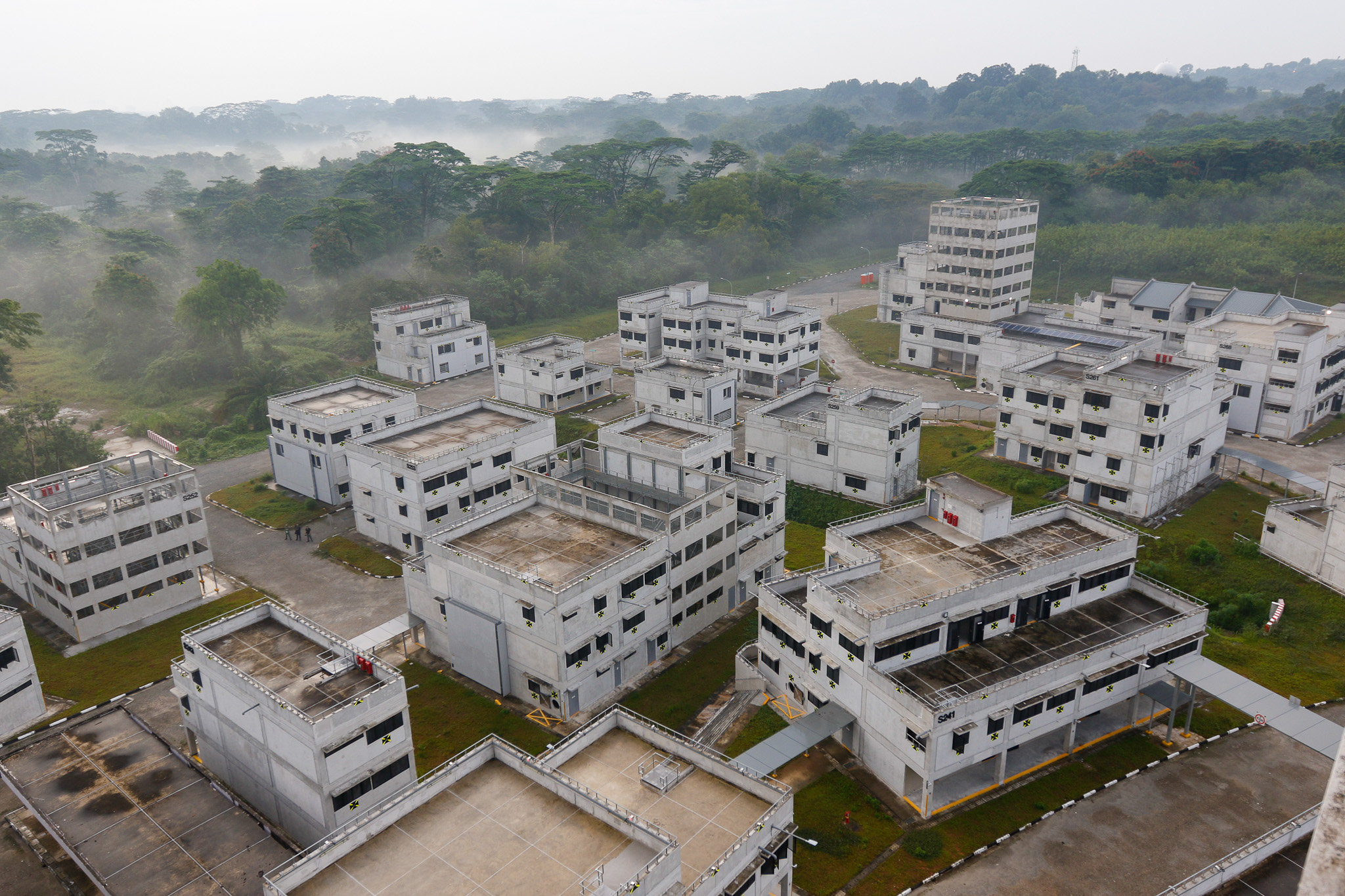
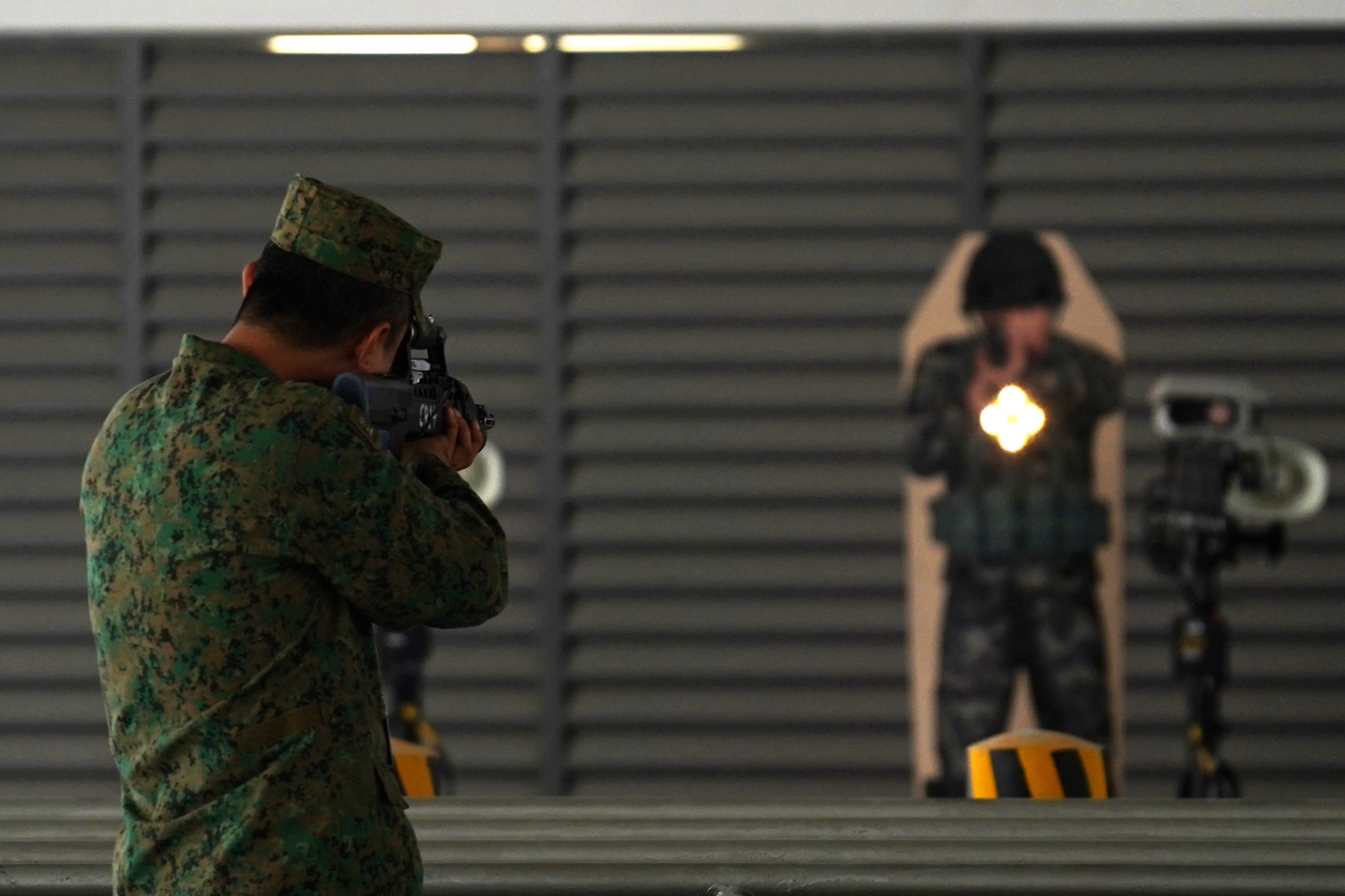
Training for the modern battlefield
Key among these advanced new training facilities is SAFTI City , which boasts diverse and realistic urban features that range from interconnected high-rise buildings and underground networks to a bus interchange and MRT station.
Soldiers have begun training in Phase 1 of SAFTI City since October 2024 as it opened up for battalion-level training in urban operations and homeland security.
“Training in SAFTI City has been a game changer,” said 3rd Sergeant Robin Teoh, a section commander from 5th Battalion, Singapore Infantry Regiment.
“The urban environment feels real…and adapting to different (training) scenarios (here) pushes us to think fast and stay sharp."
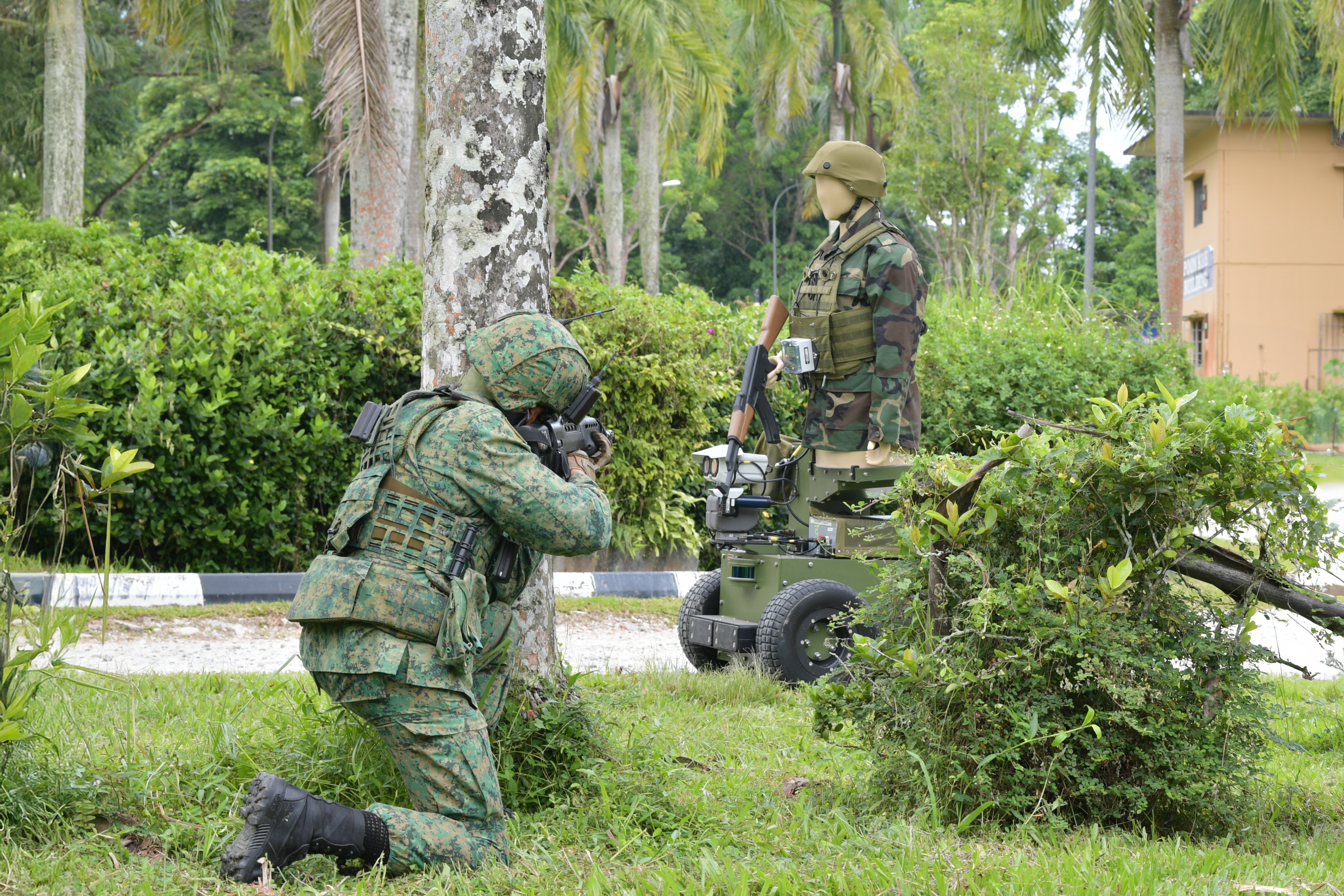
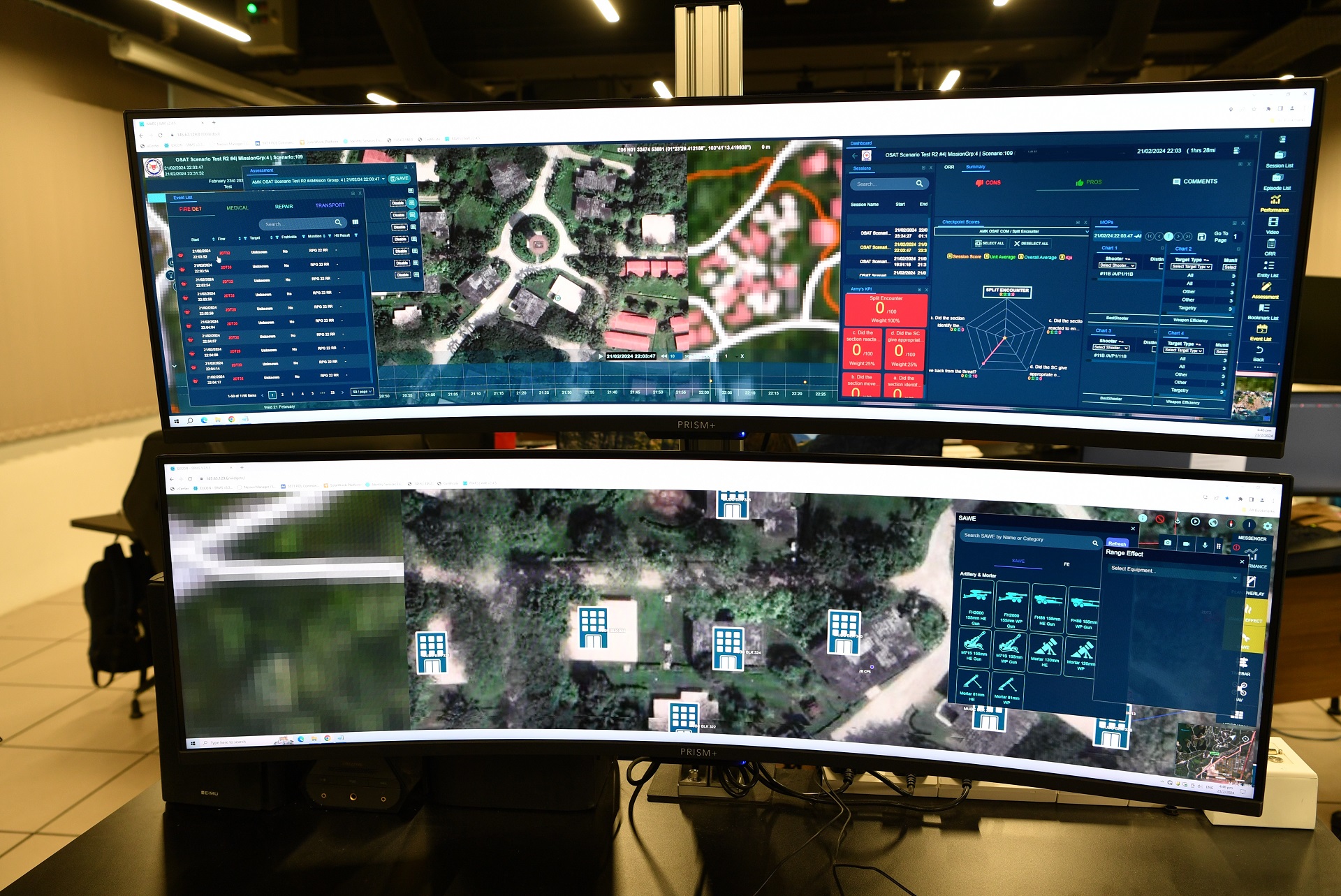
Located near SAFTI City in the west of Singapore are three Instrumented Battle Circuits (iBACs).
The iBACs introduced new targets and battlefield effects, with an Exercise Control System (EXCON) used to plan, monitor and control the training as well as provide data-based feedback on soldiers’ performance.
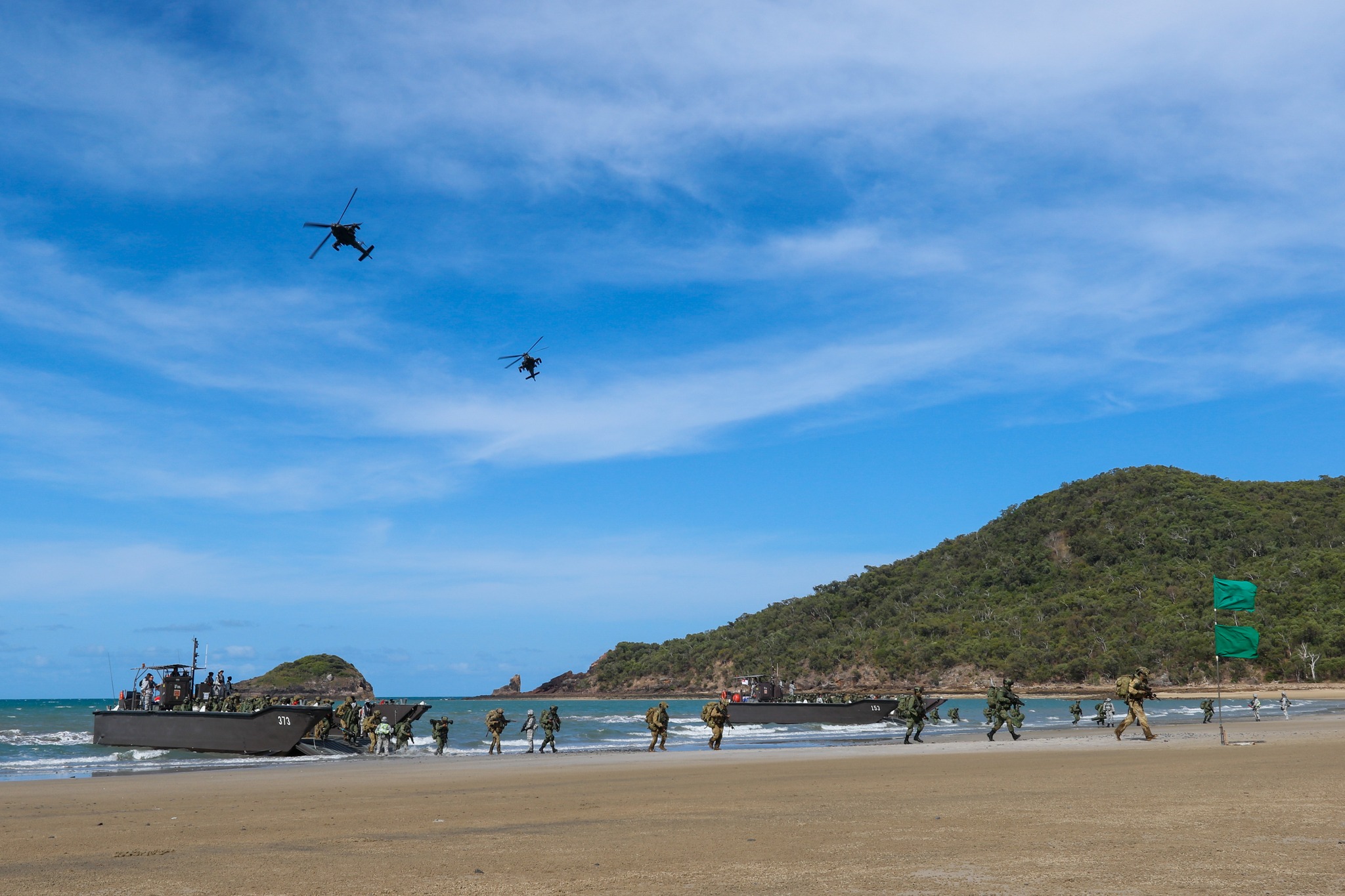
Developing overseas training areas
With new facilities and the recent expansion of Shoalwater Bay Training Area in Australia, the SAF conducted its largest iteration of Exercise Wallaby in 2024, with over 6,200 personnel and about 490 assets.
After development of the adjacent Greenvale Training Area is completed, the combined training area will span 10 times the size of Singapore, said Dr Ng.

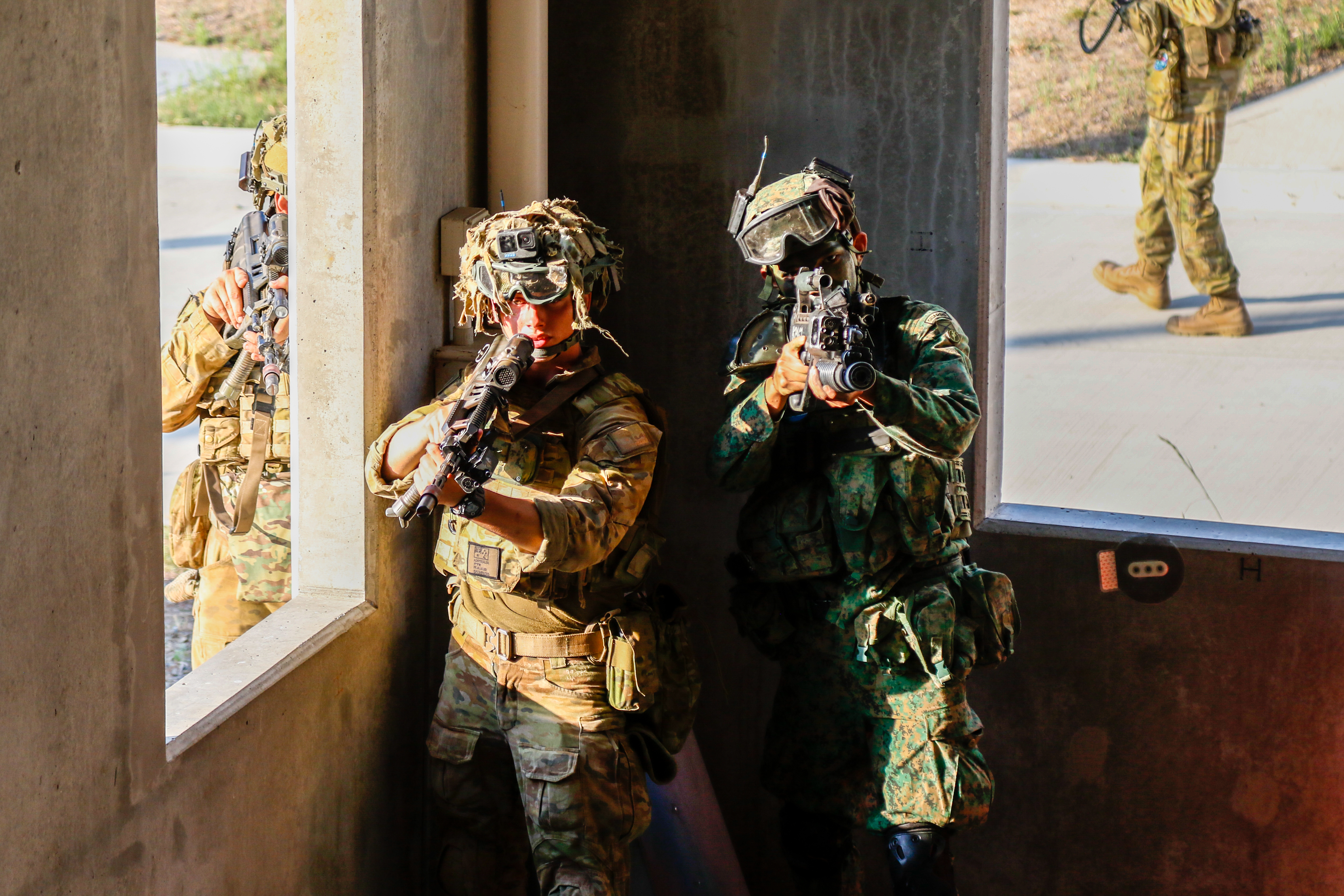
This expanded capacity – which allows the SAF to deploy up to 14,000 personnel and 2,400 vehicles annually – will enable the SAF to exercise its full range of capabilities from air, sea, land and digital spheres, he noted.
Concluding his speech, Dr Ng emphasised that, “the more the world around us becomes unpredictable and changes, the more we need to keep constant our strongest commitment to strengthen our own defences”.
“We will continue to build a strong SAF to protect and keep Singapore as a sovereign and independent nation, to ensure our peace and prosperity for another generation.”

ALSO READ IN OPS & TRAINING
SAF & Home Team to refresh Medical Classification System
13 Apr 2026
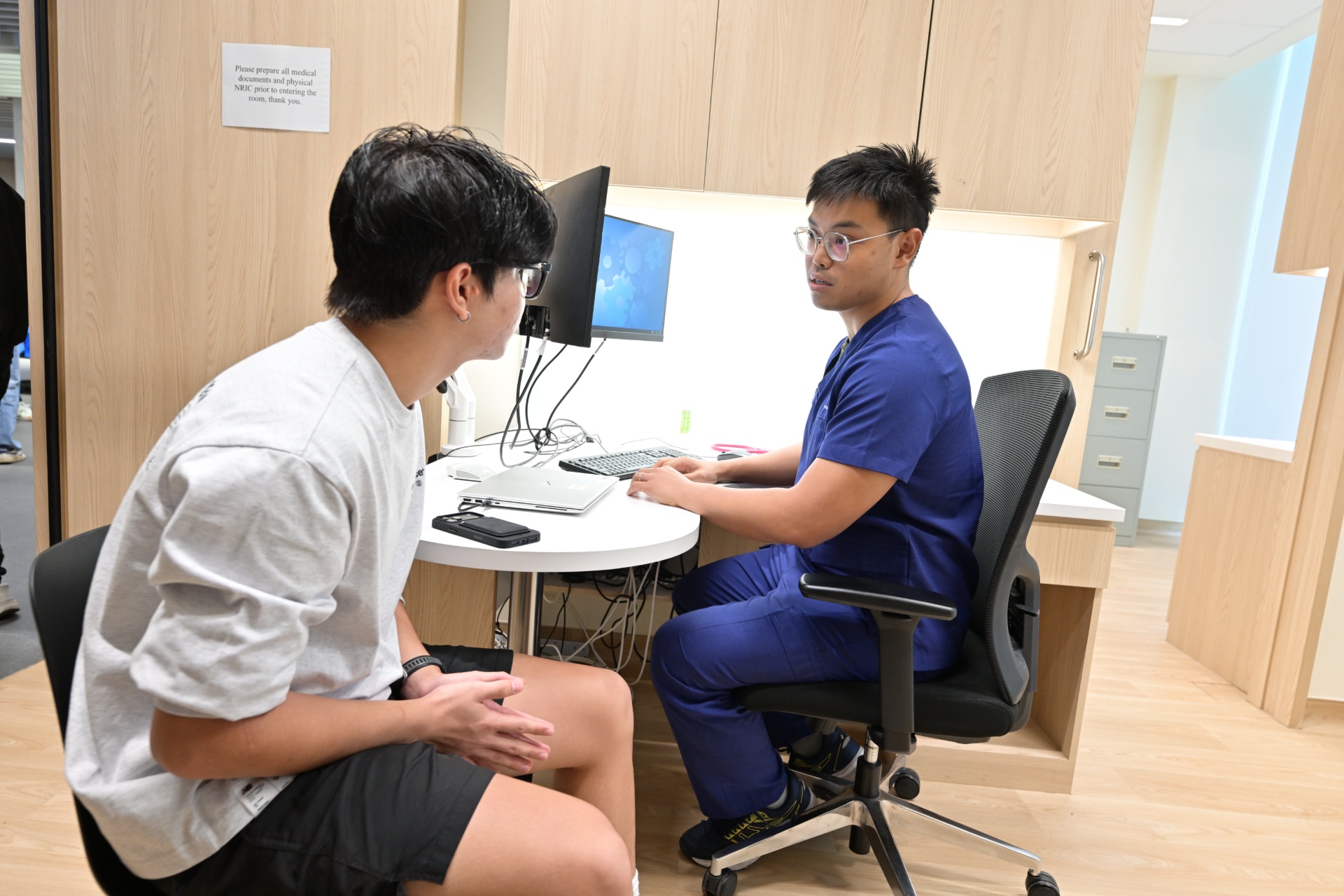
The refreshed system will allow about 1,200 servicemen annually to be deployed for vocations and roles they were ineligible for previously.
Prime Minister Lawrence Wong observes SAF’s sense-strike integrated capabilities
09 Apr 2026
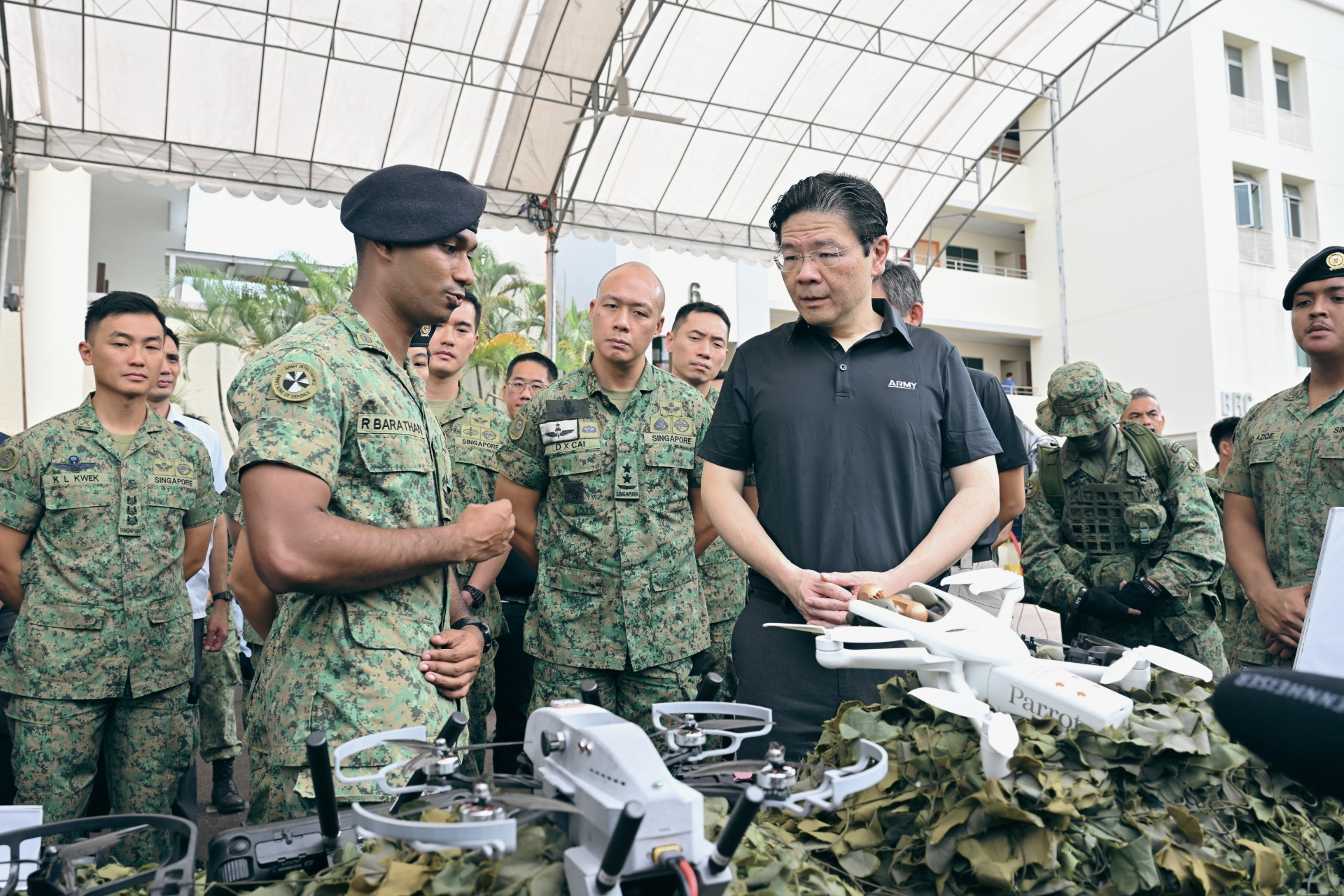
He witnessed the SAF’s ongoing efforts in leveraging advanced robotics and cross-Service integration to secure Singapore’s interests in an increasingly volatile world.
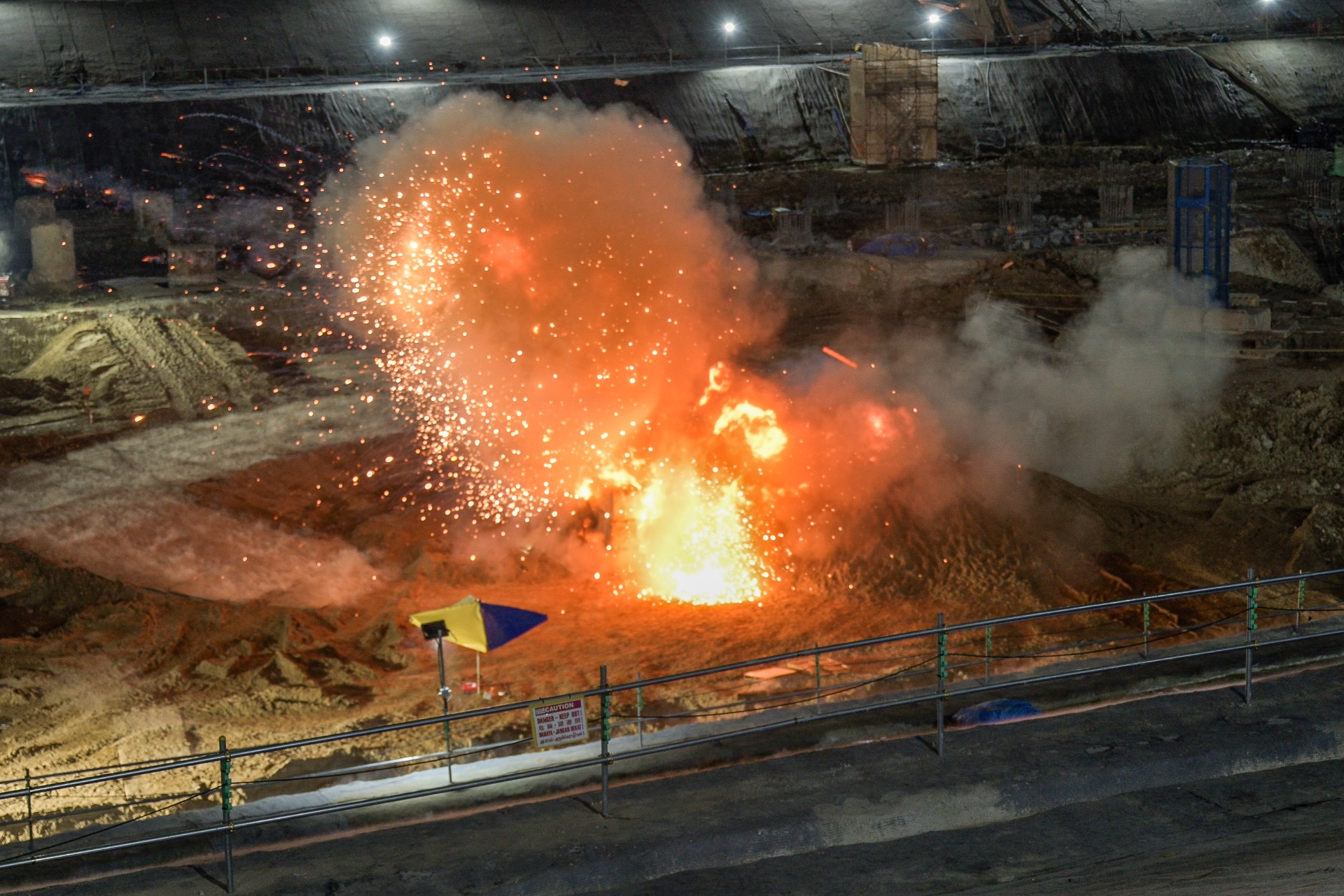
SAF detonates 250kg WWII bomb uncovered at Tanah Merah Coast Road
02 Apr 2026
On 2 Apr, the SAF’s Explosive Ordnance Disposal (EOD) team successfully disposed of an unexploded war relic found at Tanah Merah Coast Road.